TAISHENG: provides professional and efficient services to safeguard your stage lighting equipment.

Leave Your Message

Blog

How to Choose the Best LED Strobe Light for Your Needs?

How to Choose the Best LED Strobe Light for Your Needs?

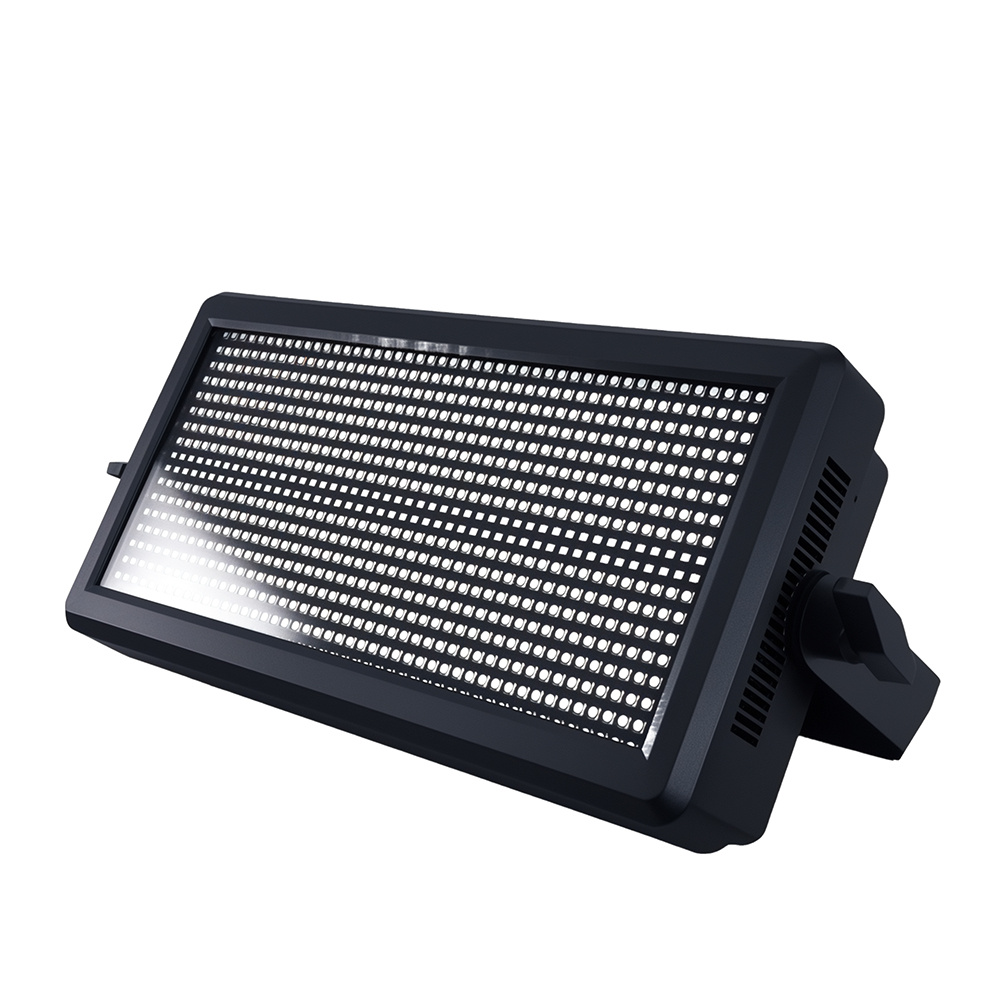
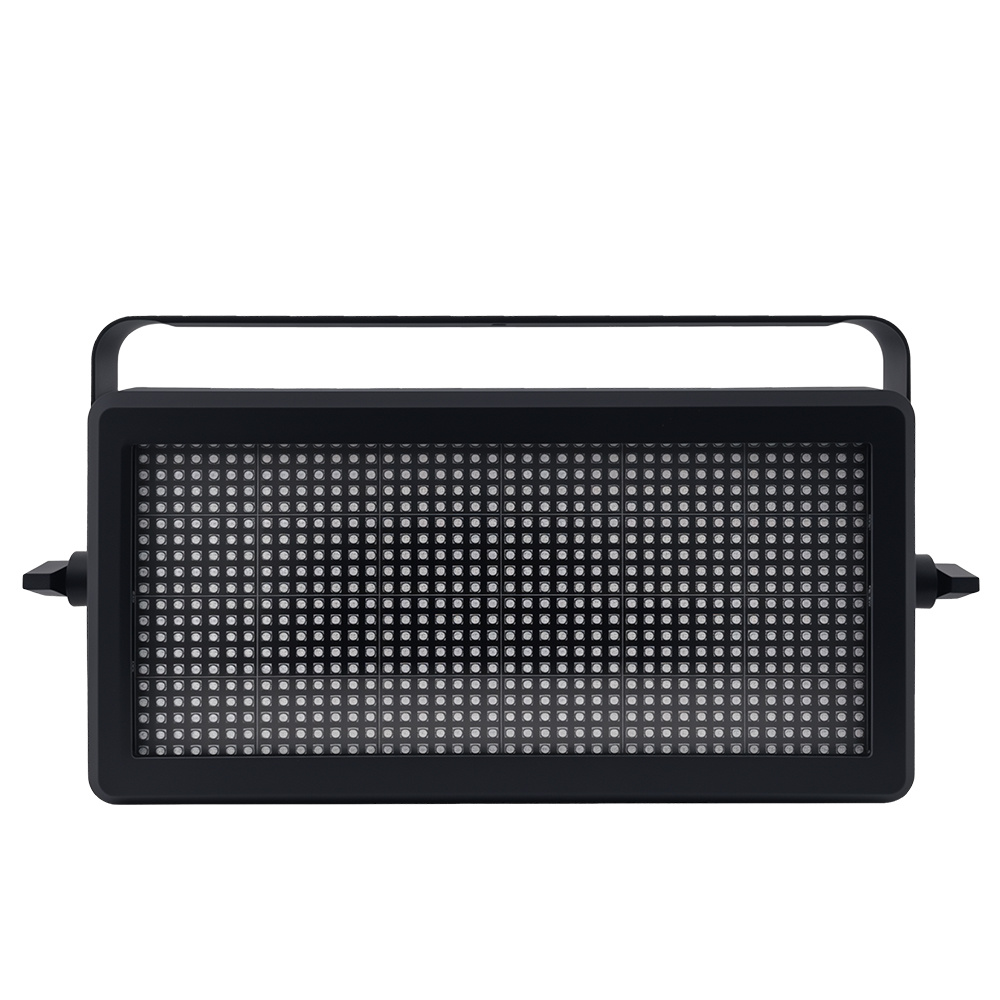
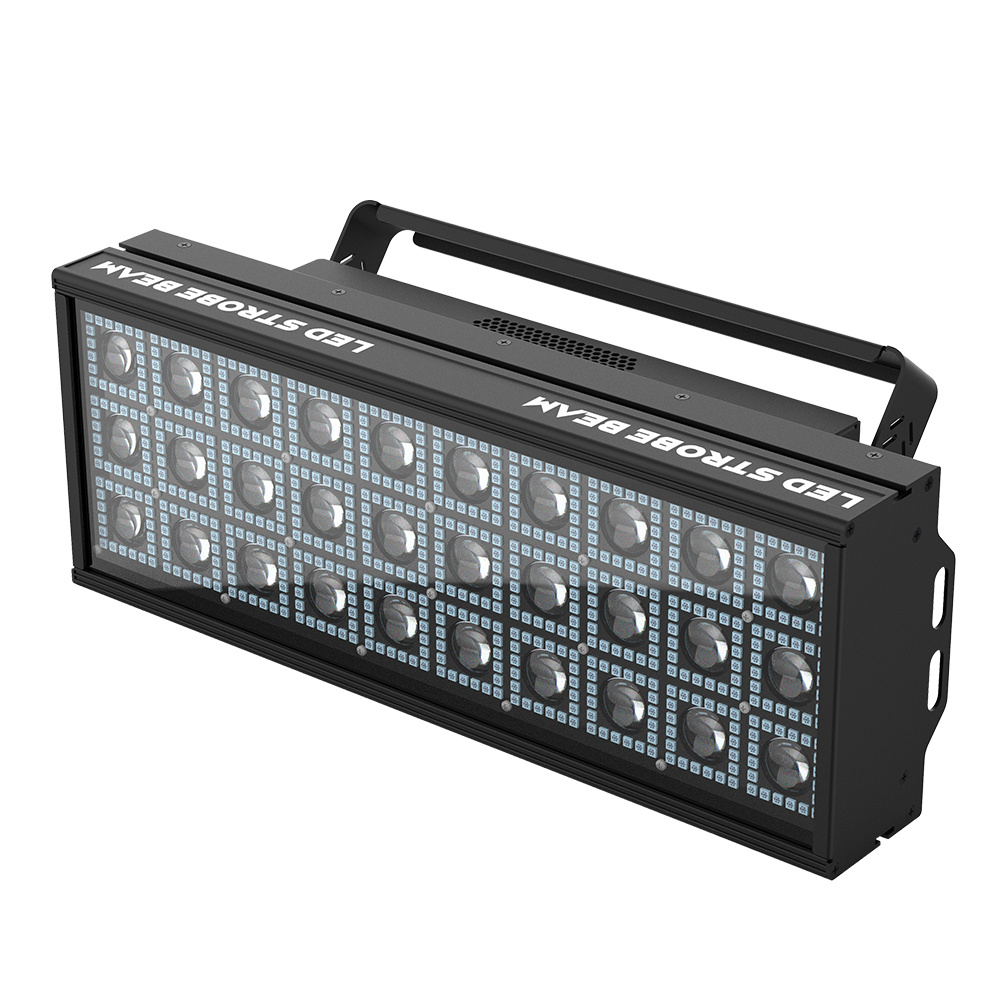
Honestly, choosing the best LED strobe light really comes down to what you need it to do. A little compact one for a small studio isn't going to have the same requirements as, say, a warning beacon in an industrial setting. Brightness obviously matters, but that's only part of the equation. You've also got flash rate, beam angle, how you're going to mount it, power supply, and the environment it'll be working in—all of those play a role in whether it's actually the right fit. Okay, so here's the thing—don't just skim the specs. Pay attention. A narrow beam? That can throw a harsh flash right across the room. But go wider, and you're spreading the light out much more evenly. Also, are the brightness and flash settings actually listed clearly? That matters. If you're planning to run it for a while, double-check the heat management and duty cycle, because overheating is no joke. And the little things? They can totally make or break it. Like, a bracket that slips, or a switch you can barely reach—suddenly that otherwise great light becomes a total headache to use. Look, that LED multi-function strobe light sure sounds great with all its flexible settings. But honestly, more modes don't automatically mean better. You've gotta match the features to what you actually need, and double-check compatibility before you buy. Sure, a bright flash can look amazing in a showroom, but in a small, confined space? It might feel way too harsh. That trade-off is worth thinking about twice. Look, expert advice can really help sort through these options—but if we’re going to quote a specific specialist by name, it has to come from a legitimate interview or published source. For this intro, we don’t have a verified quote yet, and making one up would just be misleading. So the plan is to slot in a real comment from a lighting engineer before we publish.
Read more »
Sophia By:Sophia - November 2, 2026
How to Choose the Best Stage Lighting Fixtures?

How to Choose the Best Stage Lighting Fixtures?

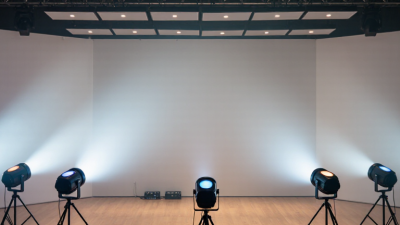
Alright, so when you're picking out stage lighting fixtures, you really gotta start with the space itself. Like, a tiny black-box theater isn't gonna have the same needs as, say, a big school auditorium with high ceilings. And don't forget the audience's sightlines—where they're looking matters a lot. So grab a tape measure, check the trim height, and figure out where you can actually hang those lights without any issues. So after that, you wanna consider stuff like beam angle, output, color quality, control options, and maintenance. A narrow beam can really make one performer pop out, while a wider wash might be better for covering a whole group. And honestly, the little details can make a big difference. So, you've probably heard the classic McCandless rule of thumb: first make your performers visible, then use light to set the mood and define the space. That's a great checklist when you're comparing different fixtures like profiles, Fresnels, LED washes, or moving heads. The real question is: does each light actually serve the scene, or is it just another flashy effect? Honestly, you have to dig into the photometric data from the manufacturer, but even that's not enough. You've got to set up the fixture at the actual distance you'll be using it and see it with your own eyes. Spec sheets can't capture every subtle shadow or how it affects skin tones. Only a live test can show you that. When you're choosing lights for a production, you've got to balance a lot of things—what you're trying to achieve, the size of your venue, and, of course, what's in your budget. Let's talk about beam control, color, dimming, and whether to go with LED or conventional fixtures; there's no one right answer here. Honestly, it's the little things that often trip you up—like making sure your connectors work together or that you can actually get to the fixtures when they need maintenance. Those things can really bite you on a daily basis. And here's the thing: you don't always need the fanciest gear out there. A simpler setup, done thoughtfully, can look just as good. But don't be afraid to tweak things as you go—I've learned the hard way that your first plan might not hold up until you're in the thick of rehearsal.
Read more »
Sophia By:Sophia - October 30, 2026
10 Best Laser Bar Lights for Global Buyers

10 Best Laser Bar Lights for Global Buyers

Picking the right Laser Bar Light isn't just about who's got the brightest specs or the longest advertised beam distance. If you're buying globally, you've really got to dig into the optics, the housing, how it's controlled, heat management, and whether the supplier is actually reliable. A solid unit should throw a clean, steady beam—no annoying flicker. It also needs clear specs, connectors that won't crap out, and mounting hardware that makes sense. Honestly, the little stuff matters. One loose bracket can totally wreck an outdoor event. So, this guide takes a look at ten of the top laser bar light options to help you make a smart buy, especially if you're sourcing internationally. For each product, we focus on the stuff that actually matters in the real world—how much work it takes to install, how stable it runs, what kind of maintenance you're signing up for, and whether it's a good fit for your use case. Some models are great for stage performances, while others work well for architectural displays, entertainment venues, or professional event production. A Laser Led Light Bar can look seriously powerful in product pics—but real-world test results? They can be a different story. Fog, dust, temperature shifts, or running it for long stretches can all affect performance. And honestly, that limitation is worth paying attention to. Honestly, no single model is going to be perfect, right? Things like price, certification paperwork, after-sales support, and even shipping conditions can all change what you're actually getting in the end. So before you order, it's worth checking your local electrical requirements and asking for the latest technical documentation. Talking to the supplier matters too. When they give clear, straight answers, it often tells you a lot about their real-world manufacturing experience. Look, this ranking isn't meant to be the final word. It's based on the specs that are available, what buyers tend to care about, and how the pros evaluate things. Product details can change, though—and after some longer real-world testing, a few conclusions might need a second look. Even so, it's a solid place to start if you're comparing beam quality, durability, how flexible the controls are, and how confident you feel about buying across different global markets.
Read more »
Ethan By:Ethan - October 25, 2026
2026 Top Stage Lighting Lamps for Global Buyers

2026 Top Stage Lighting Lamps for Global Buyers

The 2026 market for Stage Lighting Lamps is becoming more demanding, precise, and practical. Global buyers now compare brightness, color quality, beam control, operating life, and energy use. A lamp may look impressive in a showroom. It may perform differently in a dusty theater or touring truck. This guide examines leading options for theaters, concert venues, broadcast studios, houses of worship, and rental companies. It focuses on measurable performance, not attractive claims. Useful evidence includes photometric reports, color consistency data, thermal testing, warranty terms, and documented safety certifications for the target market. Buyers should also check voltage compatibility, replacement access, control protocols, and after-sales support. Small details matter. Stage Lighting Designers often judge a lamp by the light on a performer’s face. They notice green shifts on white costumes, uneven edges, slow dimming, and fan noise during quiet scenes. Experienced production teams also consider installation time and service access. A powerful lamp is not automatically the best lamp. That is worth remembering. The selections reflect practical purchasing priorities for 2026, including reliability, visual quality, maintenance, and long-term operating cost. Some products may excel in beam intensity but compromise on noise or size. Others may offer excellent color rendering but require a higher initial budget. No shortlist is perfect. Real venues expose weaknesses that product sheets sometimes hide. For that reason, each recommendation should be tested with the intended console, lenses, fixtures, and venue conditions before a large order is approved. This approach helps global buyers choose Stage Lighting Lamps with greater confidence and fewer expensive surprises.
Read more »
Lila By:Lila - October 20, 2026
How to Choose Stage Lighting Fixtures in 2026?

How to Choose Stage Lighting Fixtures in 2026?

Picking Stage Lighting Fixtures in 2026 isn’t just about comparing brightness, price, and pretty product photos. The right choice has to fit the venue, the audience, the kind of production you’re doing, and the crew running it. Richard Pilbrow—the highly respected theatre lighting designer and founder of Theatre Projects—once wrote, “Lighting is the art of controlling light.” That line still holds up. Good fixtures don’t just make a stage brighter; they shape attention, depth, mood, texture, and movement. So this guide looks at how LED profiles, moving heads, Fresnels, PAR fixtures, and intelligent lighting systems actually perform in real production settings. We’ll think about beam angle, color rendering, brightness consistency, fan noise, control protocols, power use, maintenance, and how easy they are to install. A small theatre might need quiet fixtures with accurate skin tones. A touring show might care more about lightweight housings and solid locking connections. A concert venue? Fast movement, saturated color, and powerful aerial effects might be top priorities. Specs can be misleading, though. A fixture with a big lumen number can still throw harsh shadows or uneven color. A cheaper unit might also mean more maintenance headaches down the road. I’ve seen lighting plans fall apart because designers overlooked throw distance, rigging limits, or the operator’s actual experience. Not a fun lesson, but it matters. The best Stage Lighting Fixtures aren’t always the newest or brightest. They’re the ones that give you controlled, repeatable results when you’re actually using them. This article is meant to help you compare gear more carefully, push back on marketing claims, and build a lighting package that’s still useful after opening night.
Read more »
Ethan By:Ethan - October 14, 2026
What Are Light Beam Lamps and How Do They Work?

What Are Light Beam Lamps and How Do They Work?

So what are Light Beam Lamps, really? They take concentrated electrical energy and turn it into visible, controlled beams. You’ll spot them in theatres, at concerts, in architectural displays, studios, and immersive installations. Their narrow shafts can slice through haze, pick out performers, or send moving patterns drifting across a ceiling. The effect looks simple. The engineering? Not so much. A typical Light Beam Lamps system pulls together an LED or discharge source, reflectors, lenses, cooling components, and electronic controls. The optical assembly is what shapes the beam angle and intensity. A tighter lens gives you a sharper column of light; a wider lens spreads things out more softly. Some fixtures add color wheels, gobos, prisms, or electronic dimming. A Moving Head Light Beam can also rotate horizontally and vertically, so operators can reposition the beam during a live show. Richard Pilbrow—a respected British lighting designer and author—once wrote, “Light is the lifeblood of theatre.” That idea still holds up, because beam fixtures don’t just brighten a space. They guide attention and shape the mood. Still, the terminology isn’t perfectly standardized. Some suppliers use “beam lamp” for a narrow-beam fixture, while others call similar products moving lights or profile fixtures. Buyers should dig into photometric data, beam angles, color rendering, noise levels, and thermal performance. A bright beam isn’t automatically a better beam. That part is easy to forget. Real-world results also come down to haze density, room size, mounting height, and control protocols. Even an advanced fixture can look weak in a poorly planned space. Once you understand those limits, Light Beam Lamps become easier to choose, install, and operate responsibly.
Read more »
Sophia By:Sophia - October 10, 2026
How to Choose a Stage Light Controller for Your Needs

How to Choose a Stage Light Controller for Your Needs

Picking a stage light controller? Start with the room, not the glossy product brochure. A touring theater, a school auditorium, and a small event studio all have very different control priorities. Grand View Research's 2024 stage lighting market analysis shows continued global growth, driven by LED adoption, intelligent fixtures, and networked control systems. That growth gives you more options—but honestly, it also creates more confusion. A reliable controller should fit your fixture count, your DMX universe needs, and your operator's skill level. Before you start comparing screens or presets, check compatibility with DMX512, Art-Net, and sACN. Test cue timing under pressure. Watch for latency you can actually notice. A 4-In-1 Bee Eye Stage Light can offer colorful effects, beam movement, and strong visual impact, but its control profile still has to load correctly. One missing fixture parameter can wreck an otherwise polished scene. Richard Pilbrow, the respected lighting designer and author, is often credited with saying, “Lighting is the language of the stage.” That idea still works today. Your controller should help that language sound clear, not complicated. Reports from Grand View Research and MarketsandMarkets both highlight automation and connected lighting as important market directions. Still, market growth doesn't guarantee an easy workflow. I wouldn't choose a controller just because it has more buttons, pixels, or software features. A short live test reveals more than specs ever will. Compare blackout recovery, backup options, fixture libraries, and training time. No controller is perfect. The better choice is the one your team can operate confidently at 8 p.m., with a crowded stage, changing cues, and one unexpected failure.
Read more »
Lila By:Lila - October 7, 2026
2026 Top Strobe Flash Light Suppliers Worldwide?

2026 Top Strobe Flash Light Suppliers Worldwide?

The global market for Strobe Flash Lights in 2026 is getting a lot more sophisticated, competitive, and focused on specific specs. Nowadays, buyers aren’t just looking at how bright the beam is—they’re also comparing things like beam intensity, runtime, thermal management, charging systems, how well the device protects against dust and water, and warranty support. Honestly, a super bright beam alone just doesn’t cut it anymore. Industry reports from places like Grand View Research and IMARC Group show that the broader flashlight market is growing steadily. This growth’s driven by outdoor activities, industrial maintenance needs, emergency preparedness, and professionals relying on quality lighting. They also point out some key trends, like the rise of LED tech, rechargeable batteries, and smaller, more portable designs. But here’s the thing—different reports sometimes classify products differently. Some lump in everyday consumer flashlights, while others focus strictly on professional or specialized gear. So, it’s not always easy to directly compare suppliers. That’s an important thing to keep in mind. Big-name brands like Streamlight, SureFire, Fenix, Nitecore, Ledlenser, Maglite, and Pelican all serve different types of customers and sales channels. Their products can vary a lot—things like candela (brightness), lumen stability, battery protection features, and repair services. If you really want to judge their quality, it’s best to look at verified test results rather than just trusting their marketing talk. Standards like ANSI/PLATO FL 1 can help give clearer comparisons of performance, and IEC 60529 ratings tell you about how well they resist water and dust. Just remember to check the certification details for the specific market you’re considering. On top of that, the reliability of a supplier depends heavily on how consistent their production is, whether they use traceable parts, and their quality control and after-sales support. A cheap price might seem attractive at first, but it can end up costing you more if you have to buy replacements, deal with faulty switches, or wait forever to get warranty repairs. This guide takes a closer look at the top Strobe Flash Light suppliers for 2026, evaluating their products based on performance, manufacturing know-how, compliance, global reach, and customer service. Of course, some rankings are still up for debate—public info from suppliers isn’t always complete or 100% reliable. That’s just reality, and it’s worth being honest about it.
Read more »
Lila By:Lila - October 3, 2026
Who Are the Top Stage Lighting Kit Suppliers in China?

Who Are the Top Stage Lighting Kit Suppliers in China?

Picking out a stage lighting kit supplier from China isn’t just about comparing prices or swiping through product photos online. Honestly, you really need to dig deeper—look at the fixture specs, check if the controls play nice with your setup, see how solid the build is, and don’t forget to ask about after-sales support. Sure, a bright beam looks super impressive in photos, but let’s be real—what matters most is how it performs on an actual stage. China’s got plenty of manufacturers and exporters that cater to theatres, rental companies, event halls, and production teams. Names like PR Lighting and Silver Star might pop up during your research. But here’s the thing—they’re just names. A company’s reputation doesn’t automatically mean their specific kit will be perfect for your project. Models change, specs differ, and what was right last year might not cut it now. So, don’t just take their word for it—reach out directly to verify the current details. This guide’s here to help you figure out how to assess potential vendors properly. Things like their product offerings, customization options, documentation, warranty details, and how easy they are to communicate with all matter. For example, Stage Lighting Designers might care about accurate color rendering, quiet cooling, and smooth dimming, whereas touring crews may focus on rugged transportability and quick setup. It’s a good idea to ask for clear specs and, if possible, test samples in an environment similar to your venue—those little details really do matter. Remember, no single supplier is a perfect fit for everyone. Sometimes, a cheaper quote might mean missing out on handy accessories or solid technical support. Conversely, paying more doesn’t always mean you’re getting better quality. Plus, some info can be tricky to compare nicely—so it pays to take a second look. This overview should give you a practical starting point for comparing Chinese stage lighting kit suppliers so you can find a partner that fits your budget, meets your needs, and provides the support you’re after.
Read more »
Ethan By:Ethan - September 28, 2026
How to Choose the Best Event Lighting for Any Event

How to Choose the Best Event Lighting for Any Event

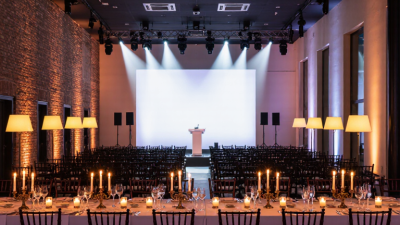
When you're picking out the best lighting for an event, it all starts with one key question: what do you want your guests to feel, notice, and remember? For instance, a softly lit dinner table needs a totally different vibe compared to a lively product launch. And don’t forget—the room itself plays a huge role too. Dark ceilings, light-colored walls, windows, and shiny surfaces can all change how the light looks and feels. Lighting designer Matthew Kavanagh sums it up nicely: “Good lighting helps people know where to look and feel like they belong.” Think of that as your handy rule of thumb—unless you’re aiming for something totally different. The trick is to strike a balance between visibility, mood, and what the event actually needs. You should also consider when your guests arrive, where your speakers will stand, and how the space will look after sunset. It’s the little things that really make a difference. For example, a warm wash of light on a brick wall can welcome people into a reception. Or, a focused beam can highlight a stage without blinding everyone in the audience. When it comes to event stage lighting, you'll want clear sightlines and reliable control. At a dinner, softer, more flattering lighting on faces and tables usually works better. Whenever you can, try testing your setup in the actual venue—photos can sometimes be misleading. There’s no one-size-fits-all solution here. Even the best plans might need tweaking once you’ve got chairs, decor, and guests filling the space. This guide will walk you through how to match fixtures, colors, positioning, and control methods based on the type of event. It also covers budget considerations and common pitfalls, so your choices are rooted in the space itself—not just fancy gear. All in all, a bit of flexibility and planning makes all the difference—so don’t be afraid to experiment and adapt as things unfold.
Read more »
Lila By:Lila - September 24, 2026
Why Choose a Rotating Strobe Light for Your Business?

Why Choose a Rotating Strobe Light for Your Business?

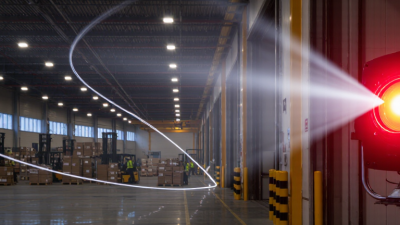
So, why would you go for a Rotating Strobe Light for your business? Well, here’s the thing: a rotating strobe can really turn a quiet, unassuming space into something quite noticeable. The sweeping beam grabs attention from different angles—pretty important if you’re near loading docks, service entrances, warehouses, or roadside equipment. A static light? It might get lost behind rain, machinery, or just your changing line of sight. But when it rotates, it moves, and that movement naturally catches the eye. Trust me, people tend to notice that more easily. There's this guy, James R. Benya, PE—a pretty respected lighting engineer and author—who once said, “Good lighting is not decoration; it is information made visible.” I think that’s a perfect way to look at it when it comes to signals on a business site. The right rotating strobe should clearly communicate, hey, we’re here and we’re active—without causing unnecessary confusion. Things like brightness, lens color, flashing rhythm, how high you mount it, and how far it can be seen all play a part. Plus, you’ve got to consider your background—like, a yellow lens might get lost among dusty surroundings, and a red lens could lose its impact if there are lots of bright signs around. Of course, no device is perfect. As a business owner, you’ll want to compare factors like LED lifespan, motor durability, weather resistance, power use, and how easy it is to maintain. SignalPath Lighting even recommends testing the unit out during different conditions—daylight, rain, and night—before you commit to installing it permanently. Doing this can reveal blind spots, glare issues, and even assumptions that seemed fine on paper but don’t hold up in real life. At the end of the day, a rotating light can be a key tool for safer traffic awareness, quick equipment ID, and smoother facility operations. But don’t forget—it’s not a substitute for trained staff, well-thought-out procedures, or a smart layout. So, choosing a rotating strobe isn’t just about picking the brightest one out there. It’s about making sure the signal genuinely fits your environment, your users, and your actual needs on the ground.
Read more »
Ethan By:Ethan - September 21, 2026
7 Best Stage Lighting Kits for Events?

7 Best Stage Lighting Kits for Events?

Picking the right stage lighting kit can really set the vibe of your event *even* before the first speaker hits the mic. For example, a warm front wash can make faces easy to see, while a narrow beam works great to spotlight a performer. But if you don't position things carefully, you might end up with glare, harsh shadows, or cables that are just plain distracting — nobody wants that, right? The market's been growing pretty fast, too. According to Fortune Business Insights, the global theater lighting scene was valued at around $1.89 billion in 2023, and they’re expecting that number to keep climbing through 2032. That's mainly because there’s more demand for flexible LED fixtures, wireless control options, and compact, easy-to-transport systems. It's also worth noting that the U.S. Department of Energy points out that LEDs use at least 75% less energy than traditional incandescent bulbs and tend to last way longer. Of course, with all the different stage gear out there, you’ve gotta be careful when making those comparisons. That said, in the end, hands-on testing still beats fancy specs hands down. Experienced stage lighting pros will check things like beam angles, color accuracy, how quickly the lights dim, fan noise levels, how safely they can be mounted, and whether the control systems play nicely together. For smaller venues, maybe four reliable wash lights will do the trick, but if you’re setting up outdoors for a big concert, you’ll need weather-resistant gear, stronger output, and even some backup power plans in case things go wrong. Not every pricey setup is perfect for every space — what works in a grand ballroom might fall flat elsewhere. In this guide, I’ve rounded up seven different options, tailored for various budgets and production needs. I’ve looked at setup time, brightness, portability, control options, and the kind of support you can expect from the manufacturer. Some of the recommendations might seem pretty obvious — and that’s on purpose. Sometimes, a simple, reliable kit beats something flashy and complicated. Even seasoned crews can overlook small details like cable length or heat management, but during a live show, those little things stand out fast and can mess up the entire vibe.
Read more »
Lila By:Lila - September 18, 2026
Why Choose Cyclorama Light for Global Studio Projects?

Why Choose Cyclorama Light for Global Studio Projects?

When it comes to global studio projects, the lighting needs to stay consistent no matter who’s on set or where they are—be it different rooms, crews, or busy production schedules. That’s where a Cyclorama Light really shines. It helps create smooth, controlled illumination across curved backgrounds, so you don’t get those annoying gradients, harsh shadows, or hotspots showing up during shoots. It’s a big deal, especially when the studio is used for a mix of interviews, commercials, product launches, or even virtual productions—all of which need reliable lighting. Lighting designer David Landau puts it simply: “Good lighting starts with understanding the space, not just picking the shiniest fixtures.” And honestly, he’s onto something there. A Cyclorama Light has to match the studio’s wall curves, ceiling height, camera angles, and colors—it's not just about the wattage. Brands like ARRI, ETC, and Kino Flo offer dependable options, but at the end of the day, proper placement and tuning are what really make the difference. Tiny differences, like a soft edge on a light, can show up on camera and throw things off. Plus, global teams really value consistency—the kind where remote directors can trust that skin tones and background colors stay stable across different locations. Features like high color accuracy, precise dimming, quiet operation, and easy maintenance help build that confidence. But let’s be real—no single fixture is perfect for every room. An overly large setup might waste energy, and a small one could leave some areas uneven. There’s no one-size-fits-all solution. Smart planners actually test the Cyclorama Light with real lenses, exposure settings, and subjects at different distances before giving the final nod. They measure brightness, record color temperatures, and leave some room for tweaking. Perfect uniformity? Yeah, that’s tough to achieve, and pretending it’s easy can lead to unnecessary costs. The best global studio projects combine reliable gear with honest testing, talented operators, and a healthy willingness to make adjustments along the way.
Read more »
Sophia By:Sophia - September 13, 2026
2026 Best Event Lighting Types for Global Buyers

2026 Best Event Lighting Types for Global Buyers

When global buyers step into the 2026 event scene, they’re definitely gonna find themselves in a pretty crowded lighting market. Today’s event lighting isn’t just about simple bulbs anymore — we’re talking LED wash fixtures, moving heads, profile spots, pixel tubes, lasers, and all kinds of smart control systems. Each of these tends to give a different visual vibe, but they also vary in how much power they need, how easy they are to transport, and the risks involved during operation. Lighting designer Durham Marenghi once said, “Light is the fourth dimension of architecture.” Honestly, that kinda sticks — especially when you’re dealing with conferences, concerts, exhibitions, or even destination weddings. Good lighting isn’t just about making things brighter; it’s about shaping the space, directing people’s attention, and really enhancing the audience’s experience. It’s subtle but powerful stuff. This guide’s gonna walk you through the best event stage lighting options for international purchasing teams. We’re comparing things like beam angles, color rendering, fixture weight, IP ratings (that’s waterproofing stuff), control protocols, and how easy they are to maintain. You’ll see products from big names like ETC, Martin by HARMAN, Chauvet Professional, Ayrton, Elation, and others. Of course, brand reputation matters — but it’s really just one piece of the puzzle. At the end of the day, the venue itself makes a huge difference. For example, a small, sleek moving head might look fantastic in a ballroom — but the same fixture could be a waste of energy in a tiny conference room. When buying outdoor lighting, make sure they’re weatherproof, with reliable connectors and stable performance, even when temperatures change. Rental companies will probably look for tough housings and setups that are quick to get going. Meanwhile, corporate spaces might care more about silent operation and pure white light accuracy. Watch out for specs, though. Sometimes, a higher lumen number doesn’t necessarily mean better coverage. Wireless control is super helpful for quick setup, but you still gotta plan your signal routes carefully — I’ve seen some overly ambitious lighting plans fall flat just because the cables weren’t thought through. That’s a lesson learned the hard way. In the end, the best choices for 2026 will be those that balance creative possibilities, good support, energy efficiency, and real-world operating conditions. Whenever possible, test samples before buying, question any claims that sound too good to be true, and pick lighting gear that performs with reliability beyond just impressing during the showroom tour.
Read more »
Lila By:Lila - September 9, 2026
Essential Stage Light Components You Need to Know?

Essential Stage Light Components You Need to Know?

Getting a handle on the different components of stage lighting is pretty key if you're into theater, concerts, or any kind of live performance. These parts make a huge difference—they boost the vibe and can even blow your audience away. I read in a report from the Entertainment Services and Technology Association (or ESTA for short) that the global stage lighting market is expected to hit around $9.4 billion by 2025. That’s a lot of growth, right? John Smith, who’s quite the industry pro, puts it simply: "The right stage light components can turn an ordinary event into something unforgettable." Honestly, that really hits home. Picking the right gear, like the 4-In-1 Bee Eye Stage Light, can be a game changer. It’s an all-in-one marvel, blending multiple features which makes it pretty much a must-have for any lighting setup. But here’s the thing—some folks tend to overlook just how intricate these stage light components really are. It’s not just about making things brighter or changing colors. It’s about creating a vibe, setting the mood, you know? With so many options out there, it can get pretty overwhelming. Thanks to fancy new tech, understanding these parts is more important than ever. Every decision, whether it’s LED fixtures or traditional lights, adds up to the overall feeling you want to create. If you pick the wrong one, or don’t consider how they work together, it can really mess with the atmosphere. So, yeah, careful planning and understanding really matter here.
Read more »
Ethan By:Ethan - September 4, 2026