 LTS-200 BEAM Professional Moving Head | 150W LED Module | 2° Surgical Beam & Dual-Layer Prism FX
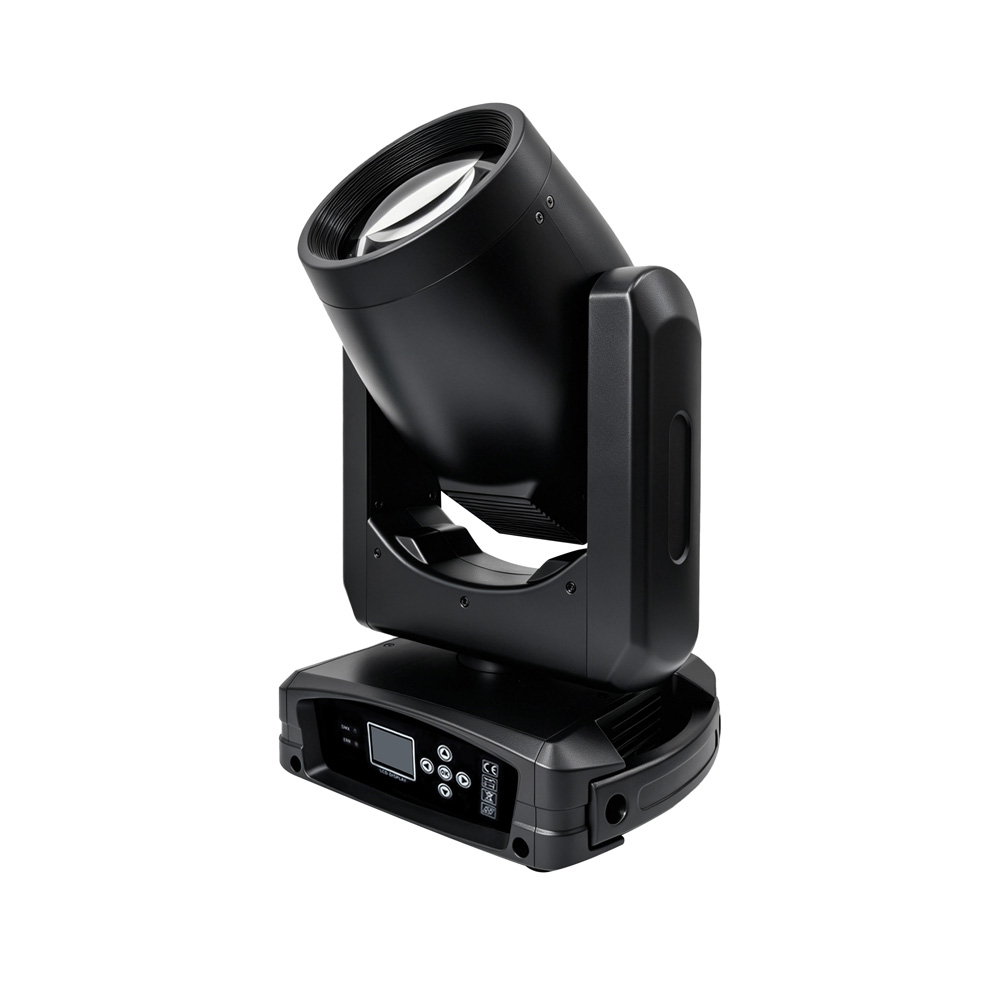 ATS-230 BEAM Professional Moving Head | 200W High-Intensity Beam Light
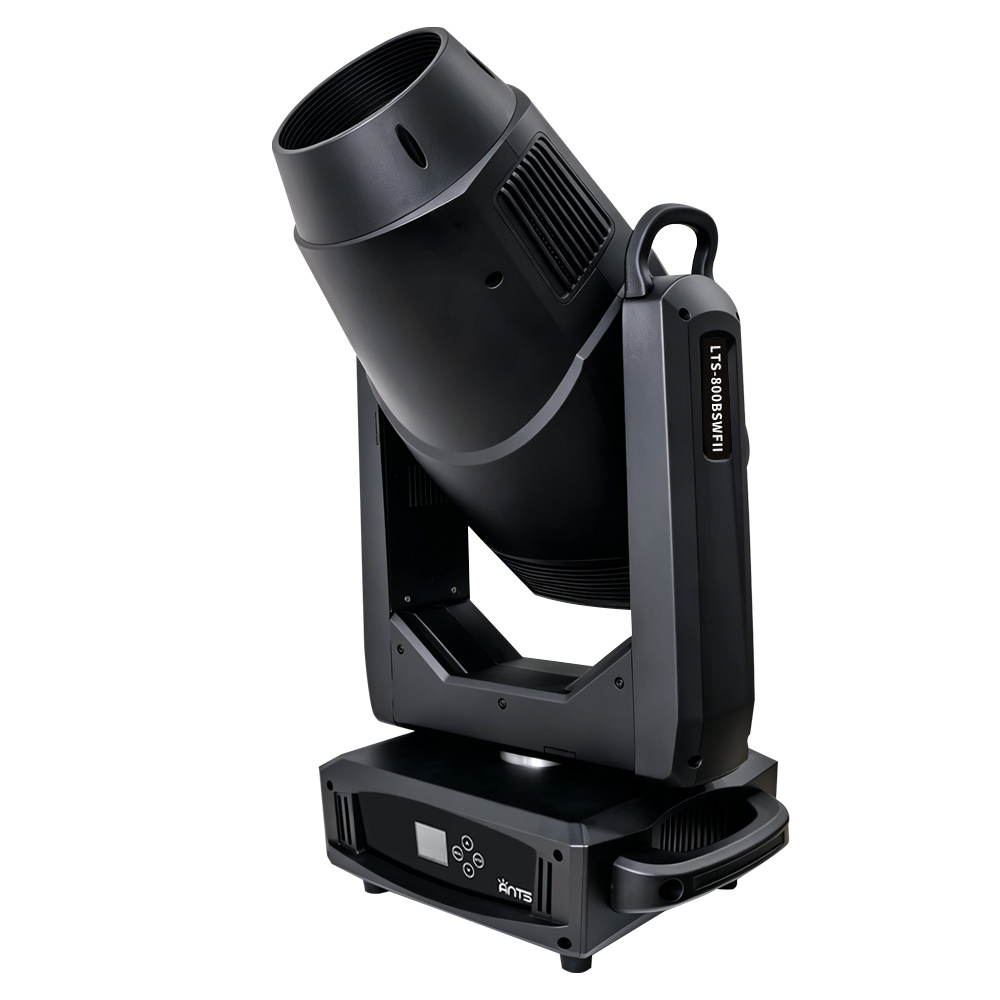 LTS-800 BSWF II 1200W Flagship LED Framing Moving Head | Ultra-High CRI Ra≥95 & CMY+CTO Color Mixing
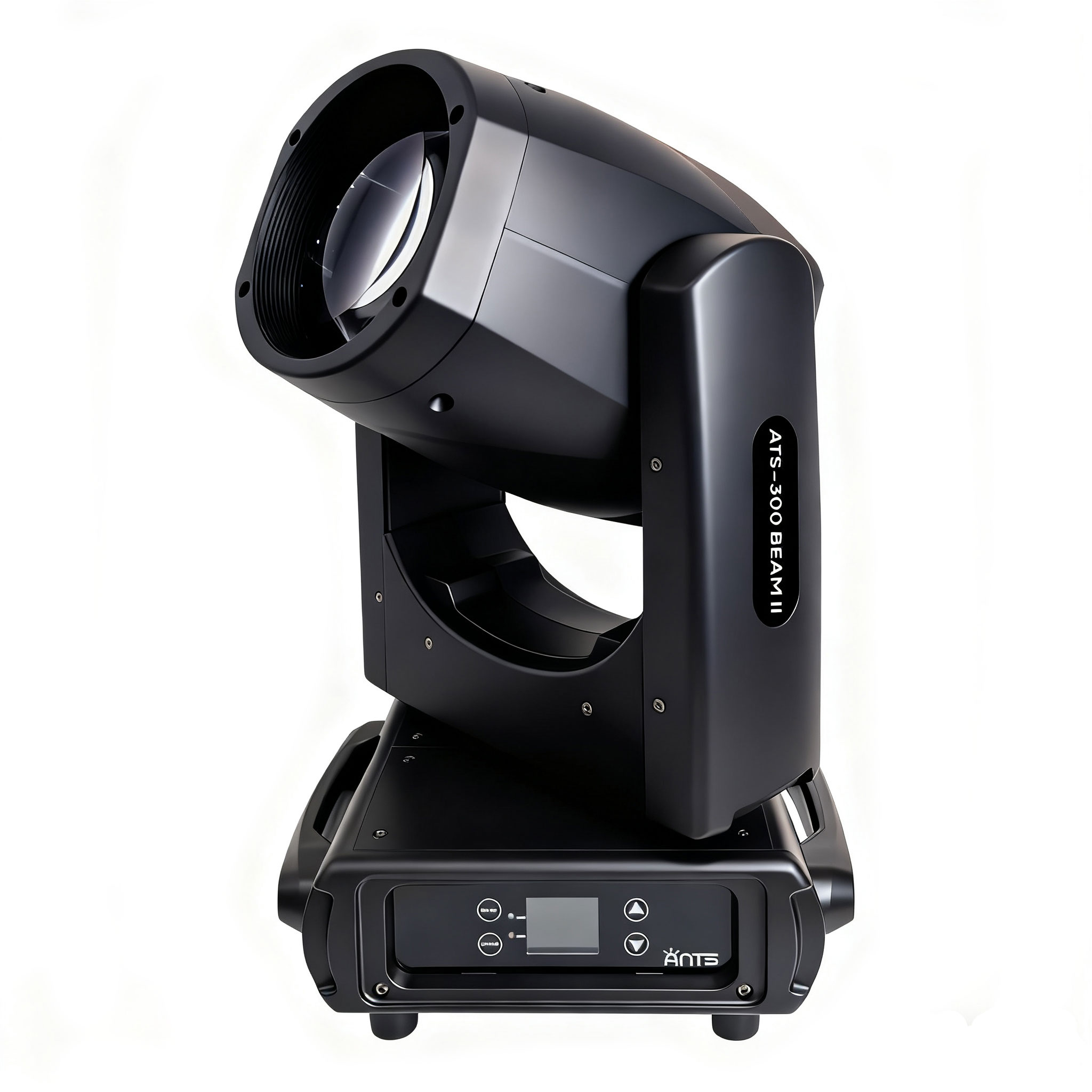 ATS-300 BEAM II 300W Professional Beam Moving Head Light with Multi-Prism & Color Macro Effects
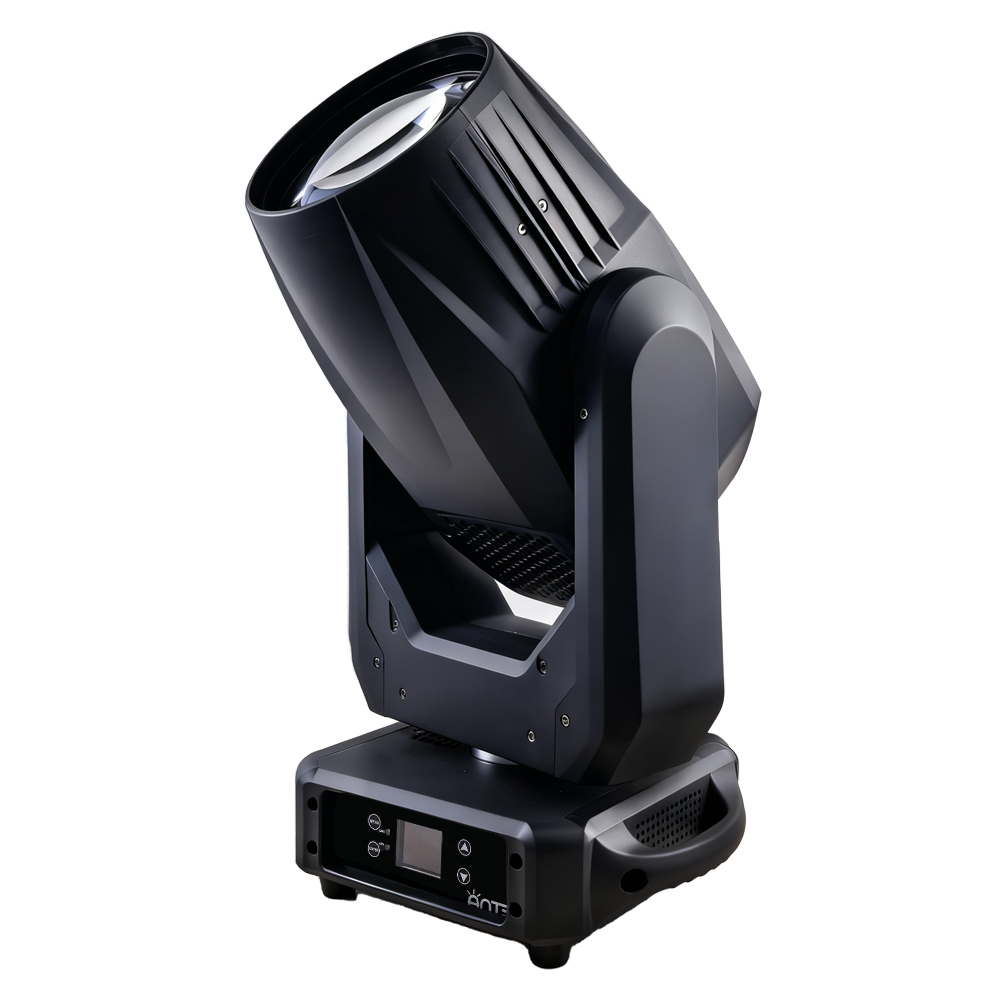 LTS-300 BEAM 300W High-Brightness LED Beam Moving Head Light | 2° Sharp Beam & Dual Prism Effects
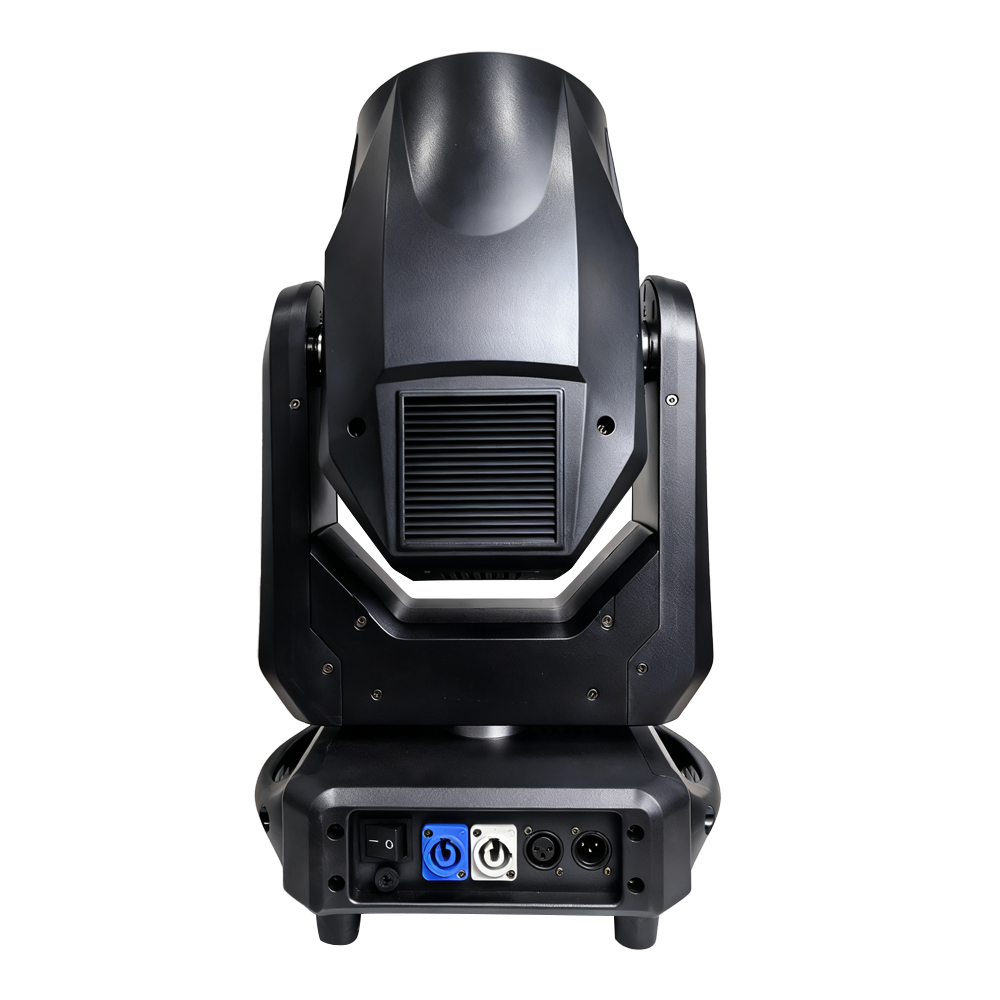 ATS-380 BEAM II 380W Professional Beam Moving Head Light | 4 Prism Sets & Dynamic
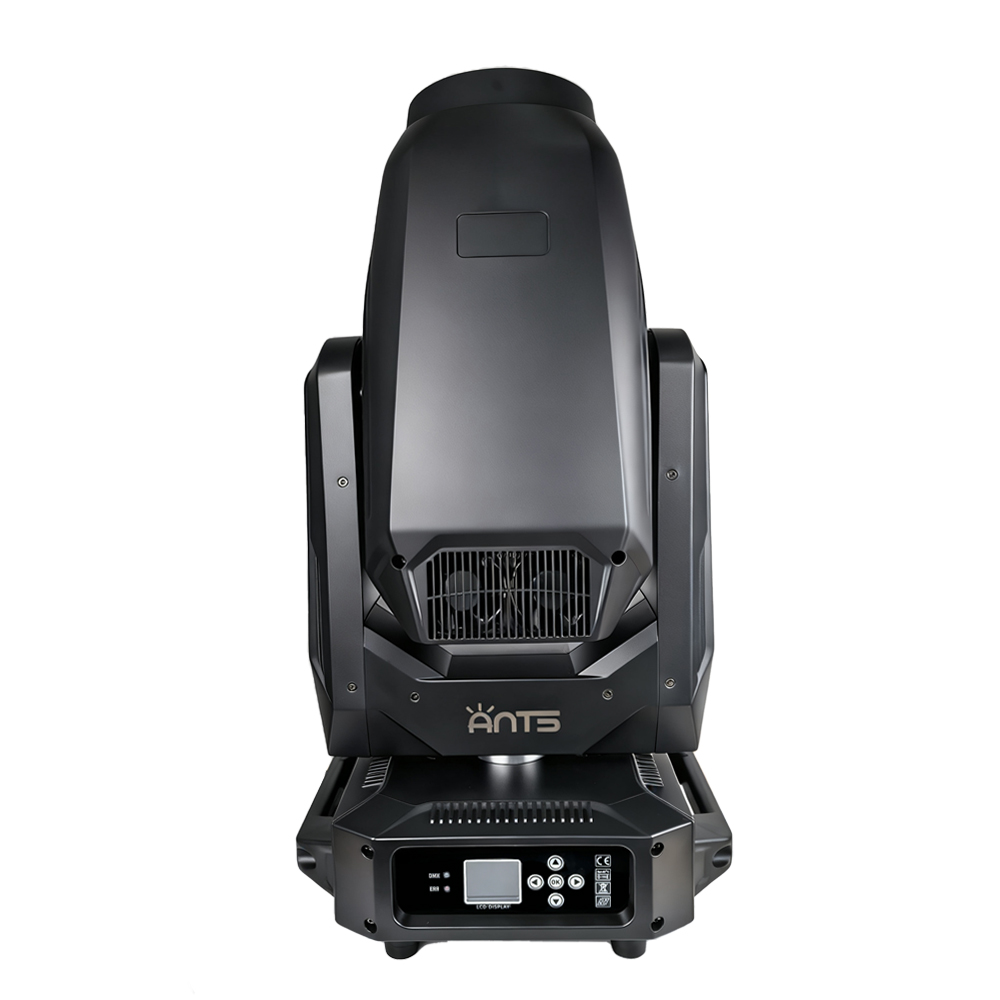 LTS-500BSWF 400W LED Framing Moving Head | Professional 4-in-1 Beam Spot Wash Profile Light
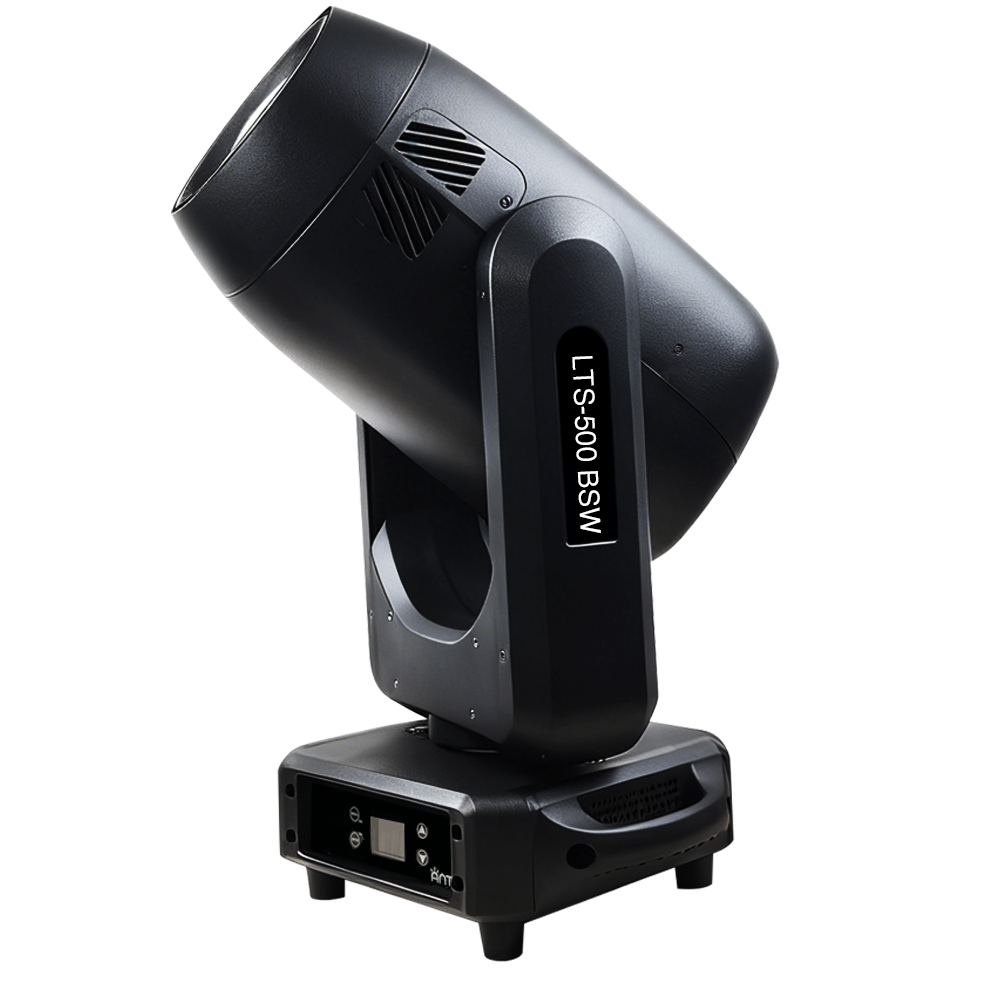 LTS-500 BSW 400W LED 3-in-1 Moving Head | CMY + CTO Color Mixing & Linear Zoom
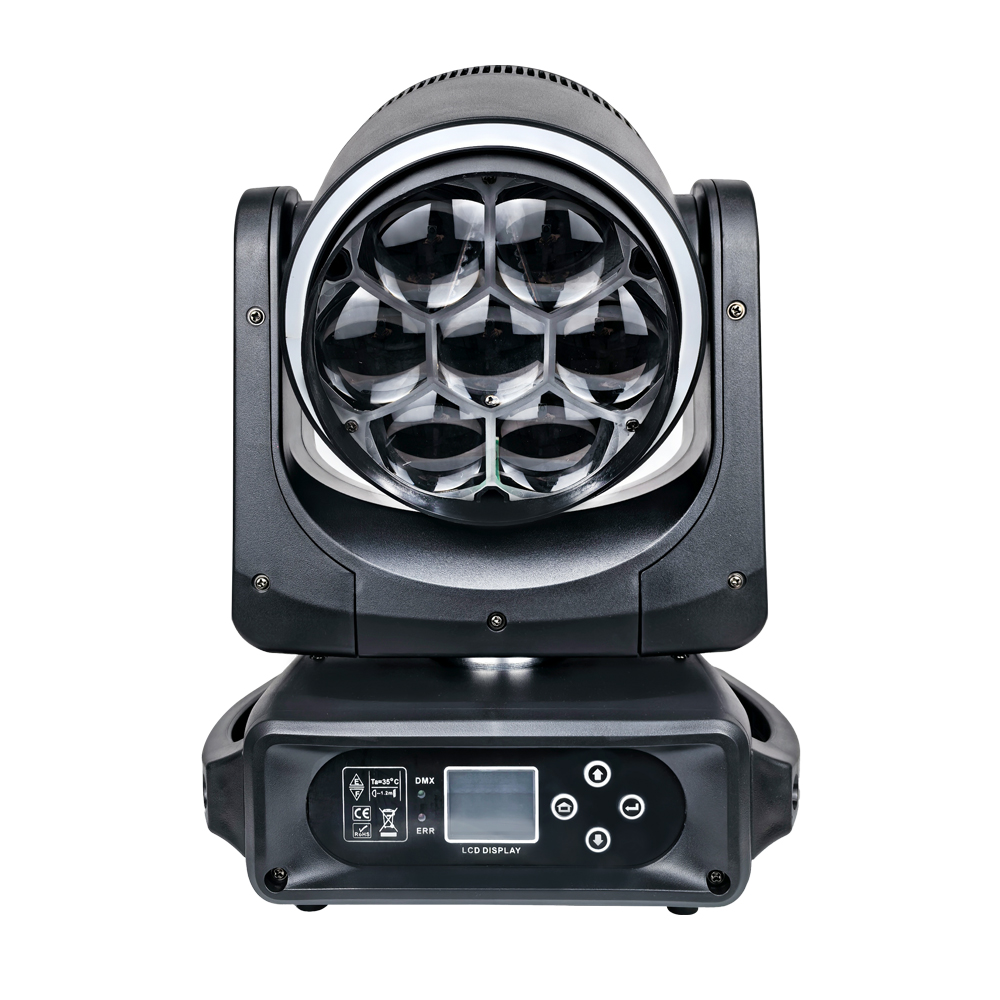 FY-740 7x40W RGBW LED Wash Moving Head Light | 5-in-1 Effect with RDM & Auxiliary Background Light
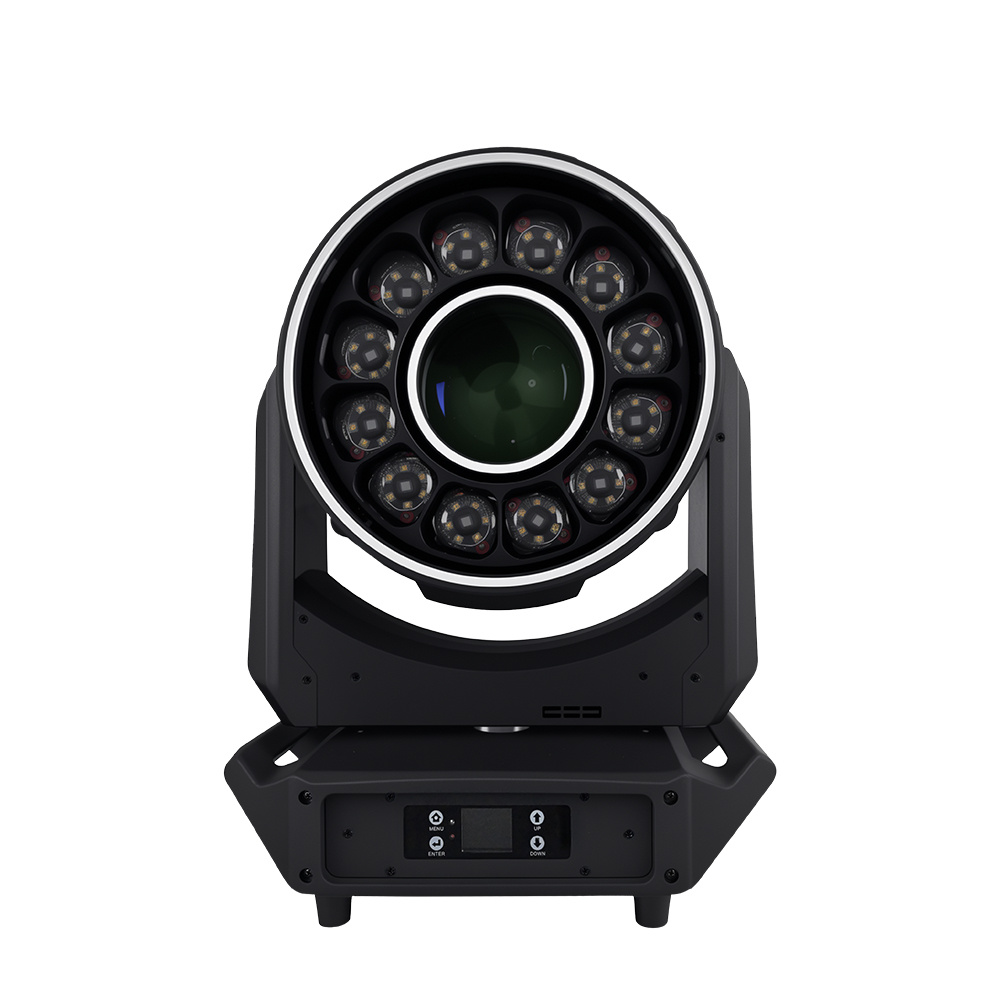 FY-900 "Donut" Professional Hybrid Moving Head | 100W Center Beam & 12x40W RGBW Bee-Eye Ring
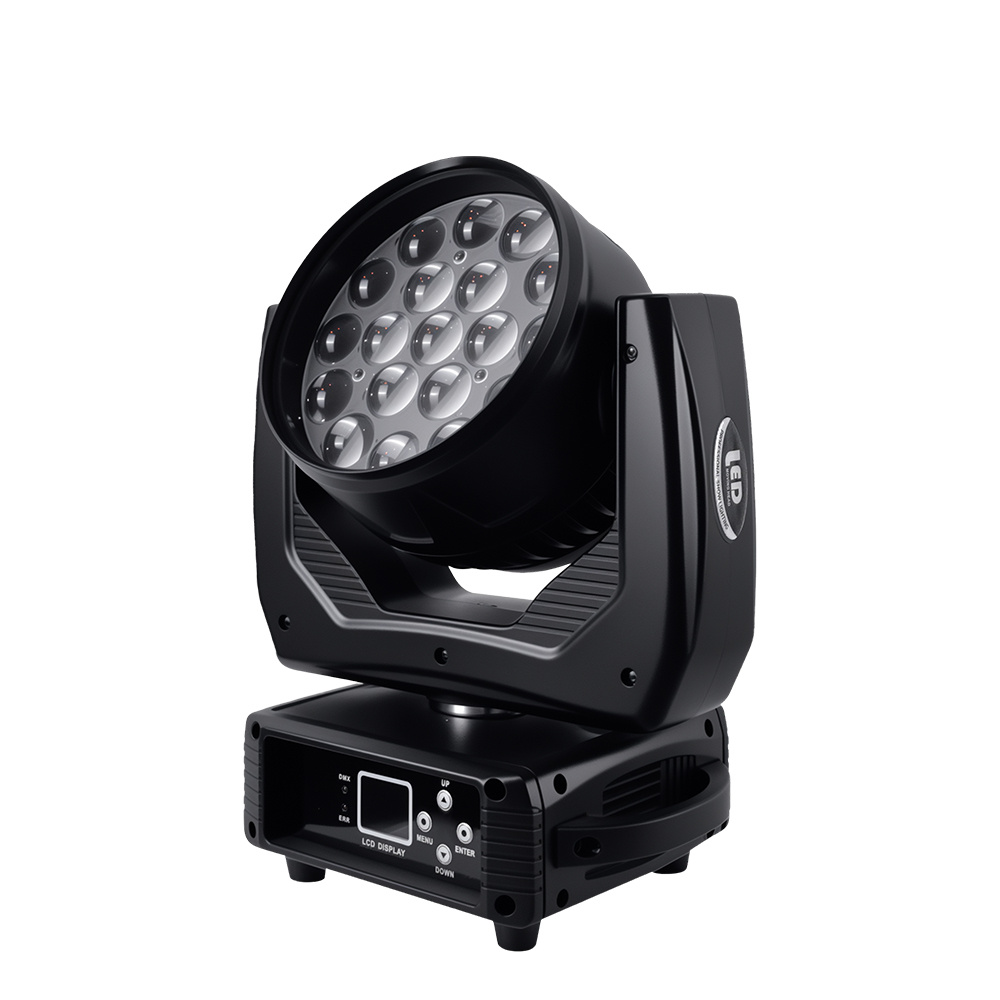 LED-1915 Professional Moving Head Wash | 19x15W RGBW Quad-Color LED
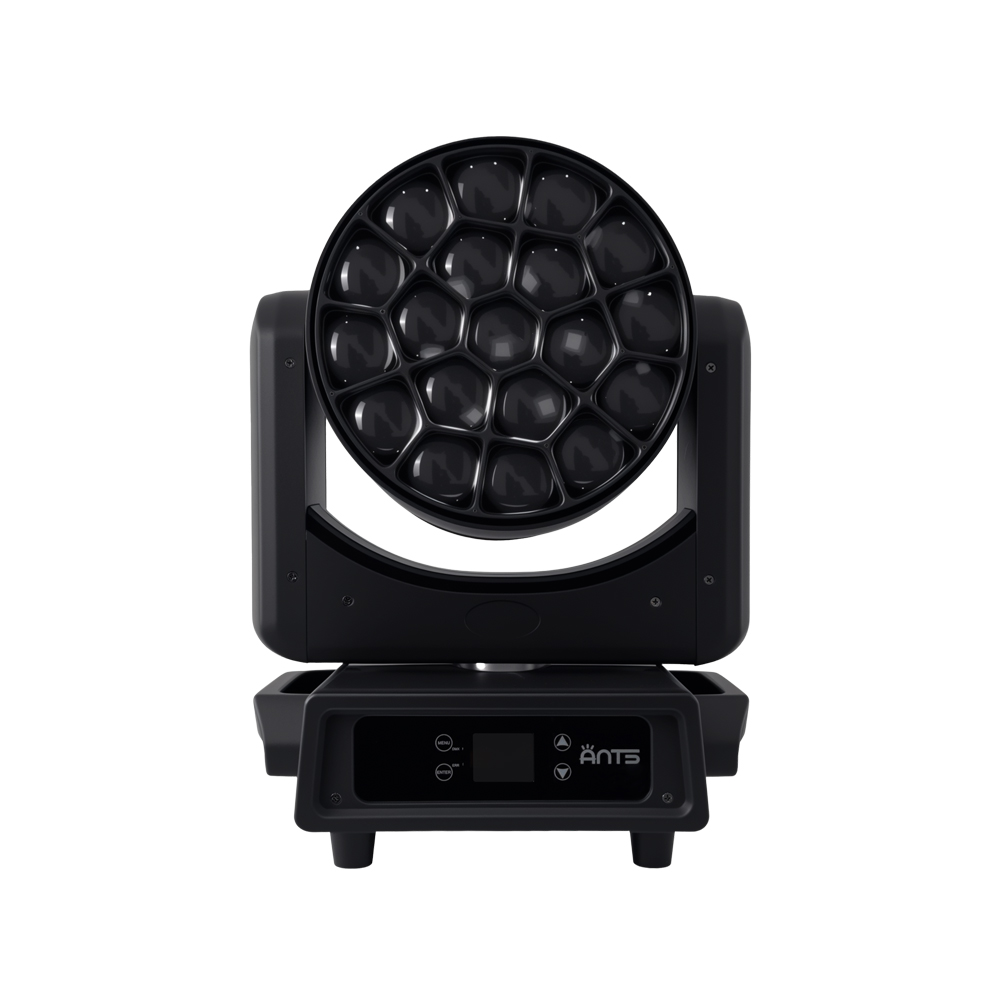 FY-1915 "Bee Eye" Professional Moving Head | 19x15W RGBW LED with 4°-60° Extreme Zoom
 PAR 18 Professional LED Stage Wash | 18x8W RGBW High-Brightness Quad-Color PAR Can
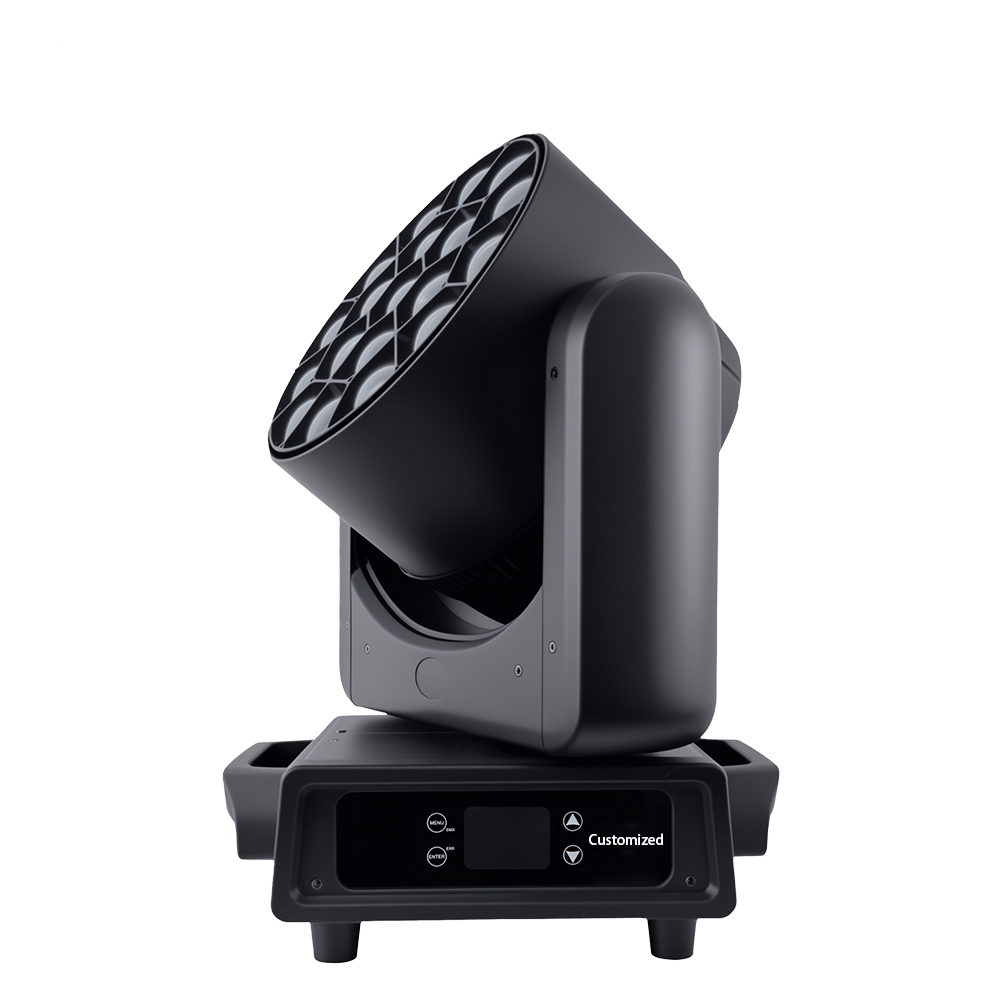 FY-1940 19x40W LED Wash Beam Moving Head | 4-60° Large Zoom & Professional Pixel Mapping
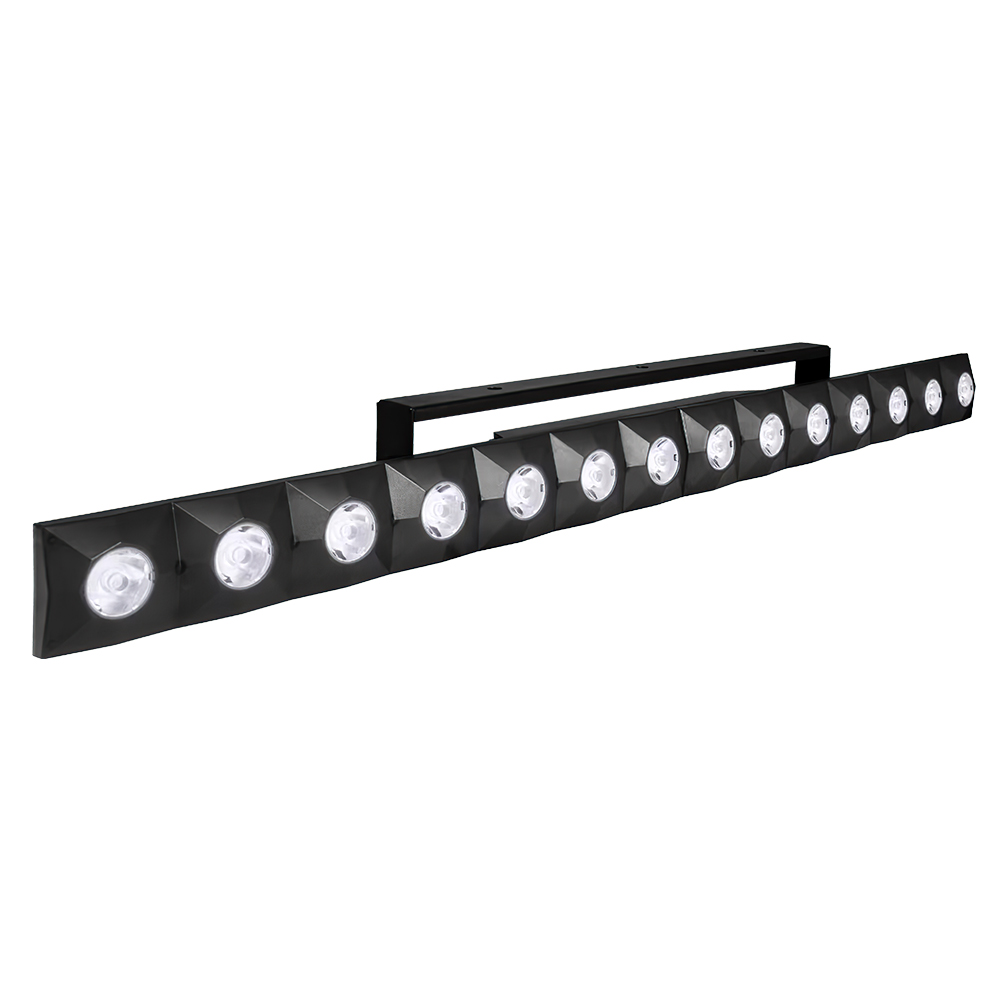 CB-14RGB "Fourteen Chameleons" Versatile LED Matrix | 45W RGB+White Hybrid Wash & Strobe Panel
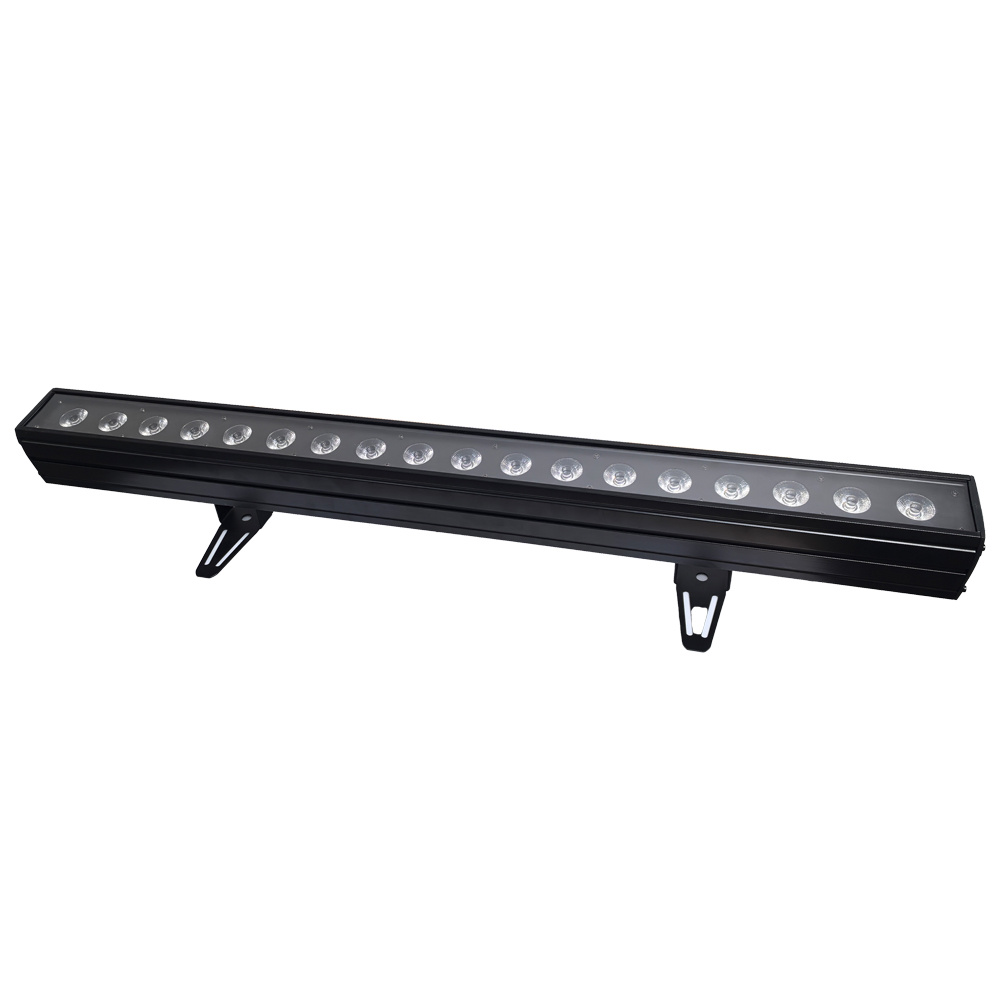 CB-18RGB 25-Head Professional Moving Matrix Bar | 400W Quad-Color LED Long Strip
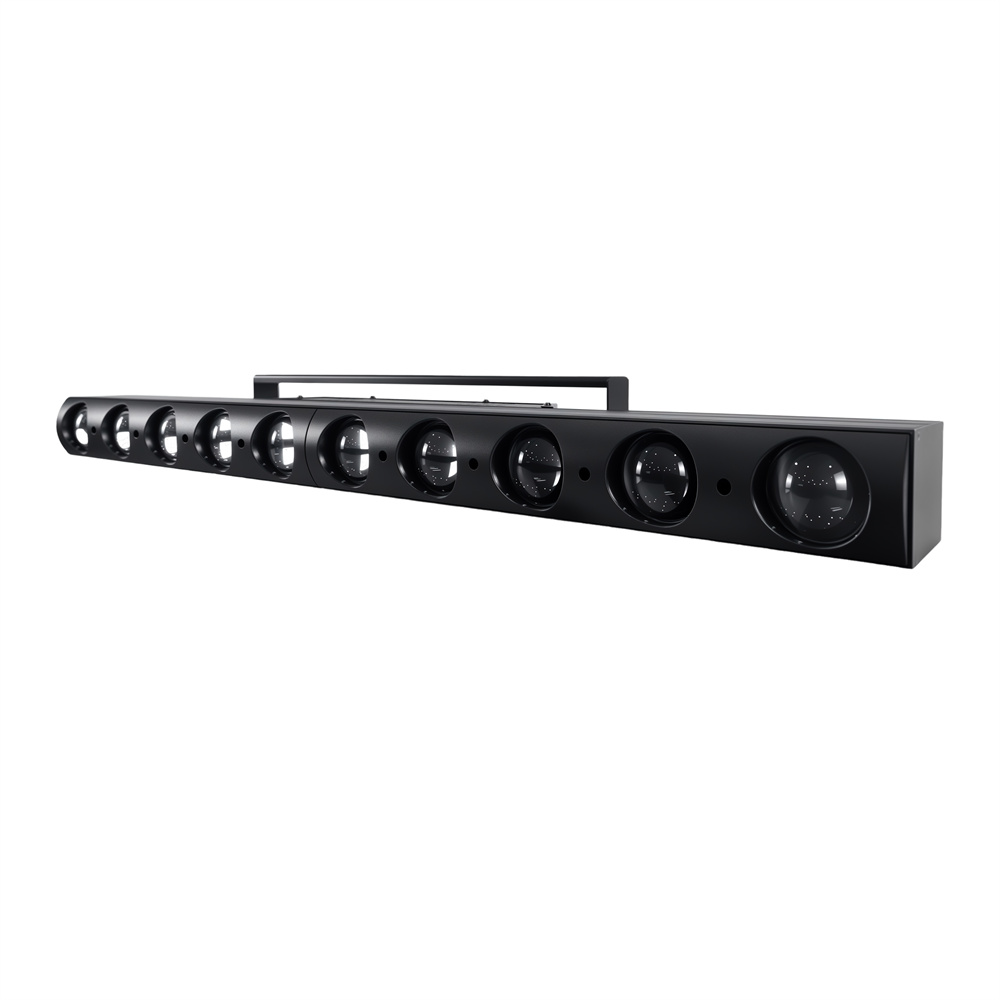 TB-1040 Professional Fixed-Focus Linear Beam Matrix | 400W High-Output Quad-Color LED Bar
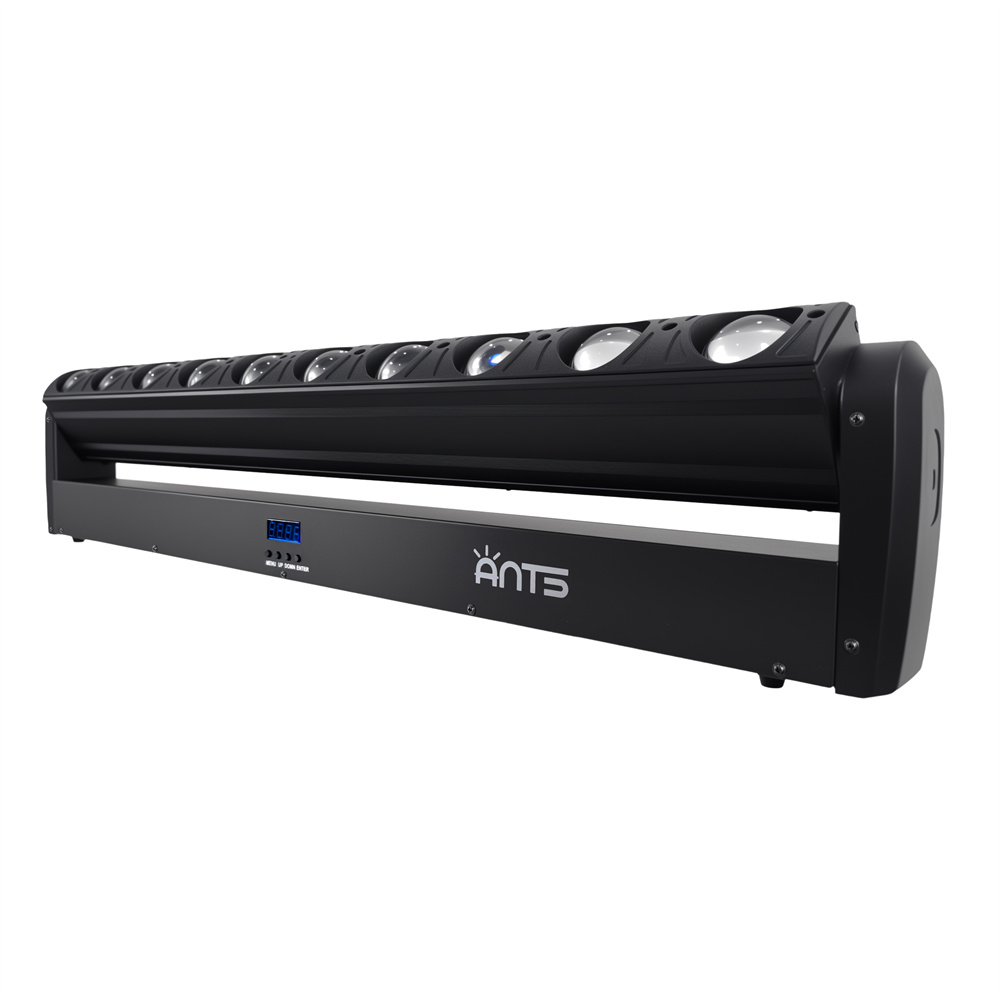 TB-1040YⅡ Professional Y-Axis Moving Head Linear Matrix Bar | 450W High-Output Quad-Color LED Engine
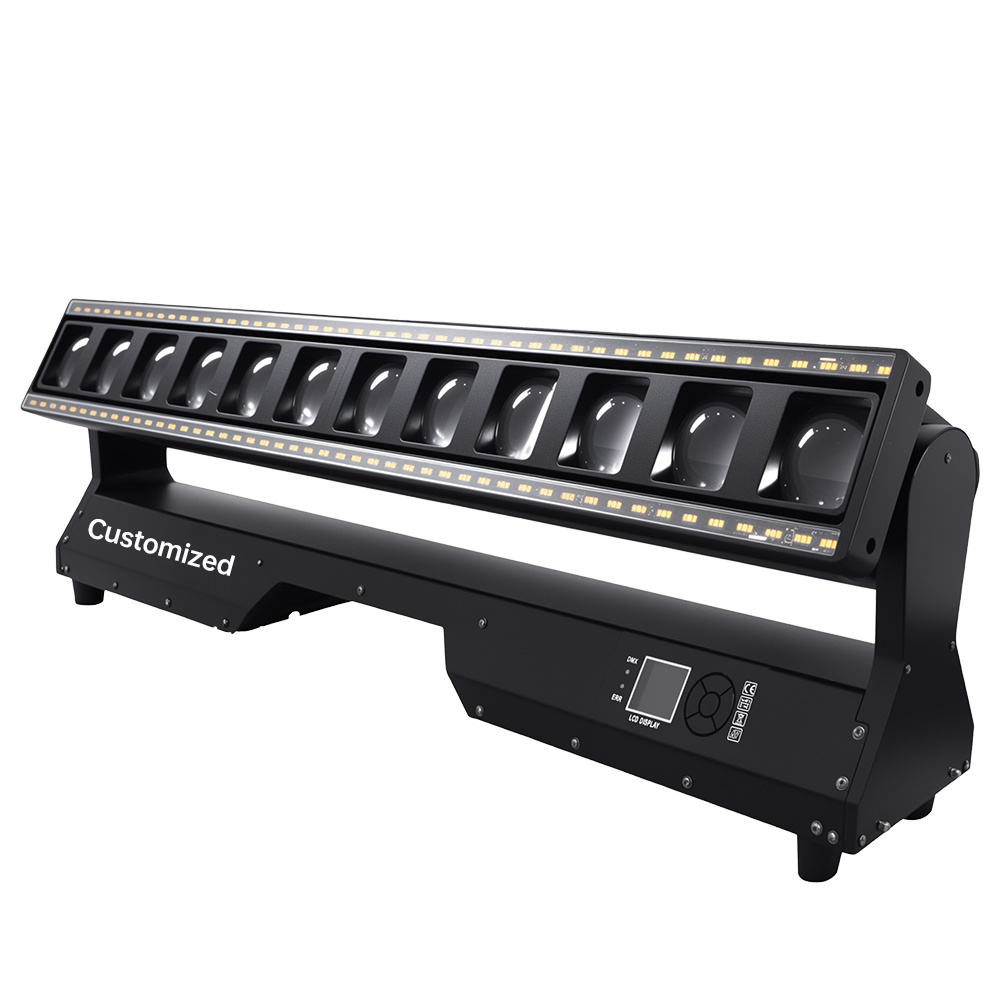 TB-1060 "Rattlesnake Matrix" Professional Multi-Layer Stage Bar | 800W High-Output Hybrid Engine
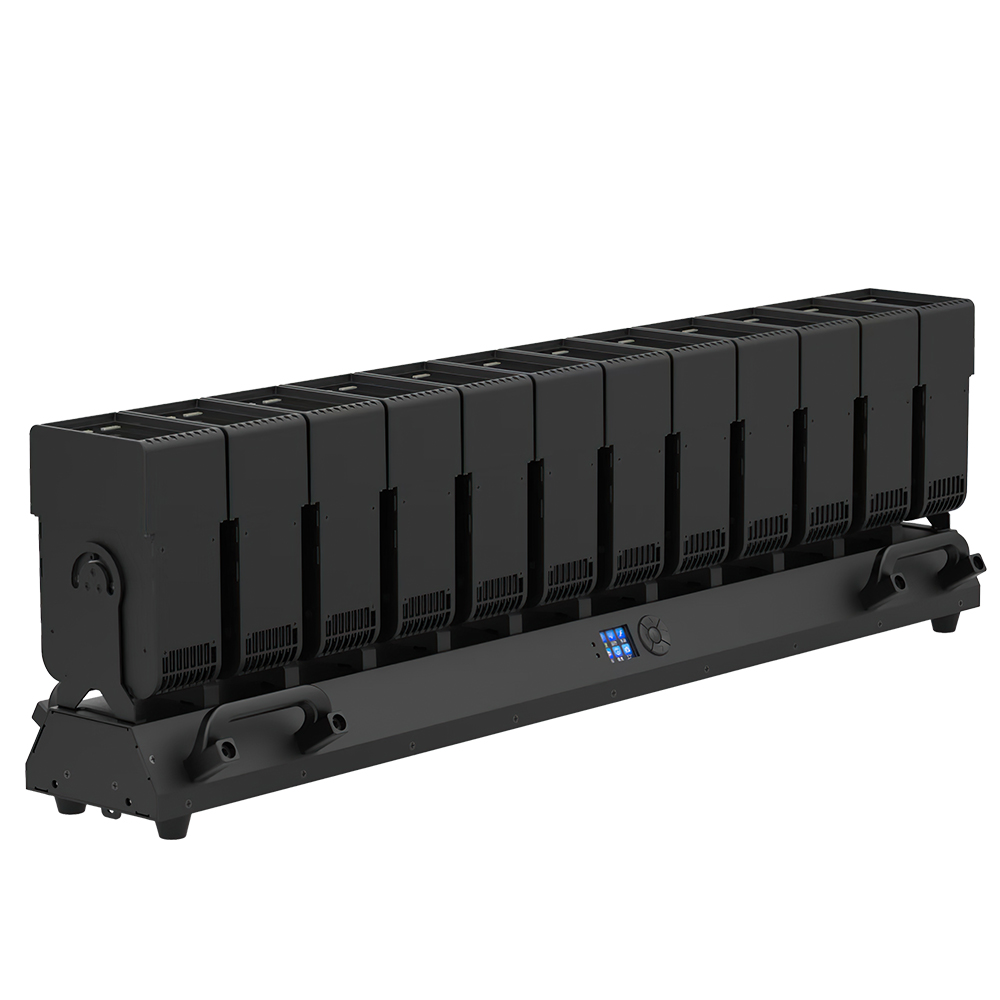 CB-12 BEAM "Thousand-Hand" LED Moving Bar | 12×60W Independent Swing Beam & Wash
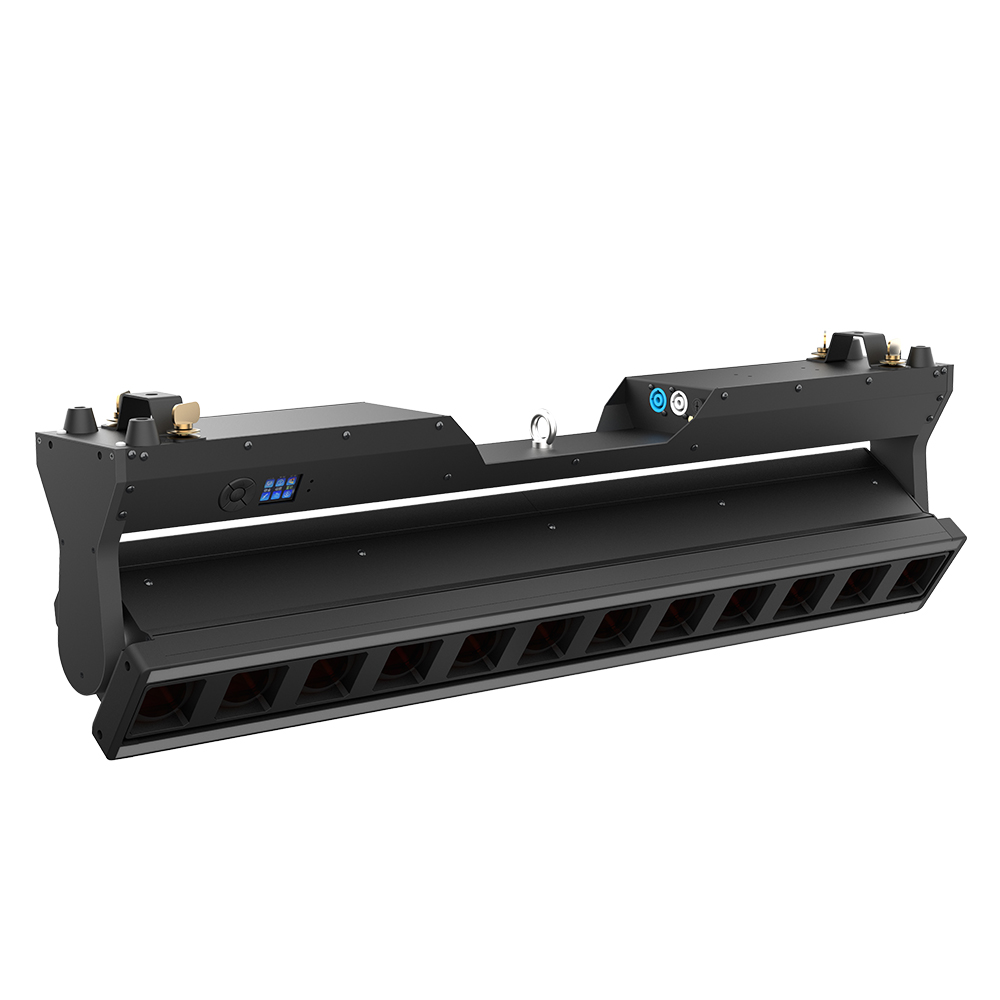 TB-1240X "Rattlesnake Matrix" Professional Moving Beam Bar
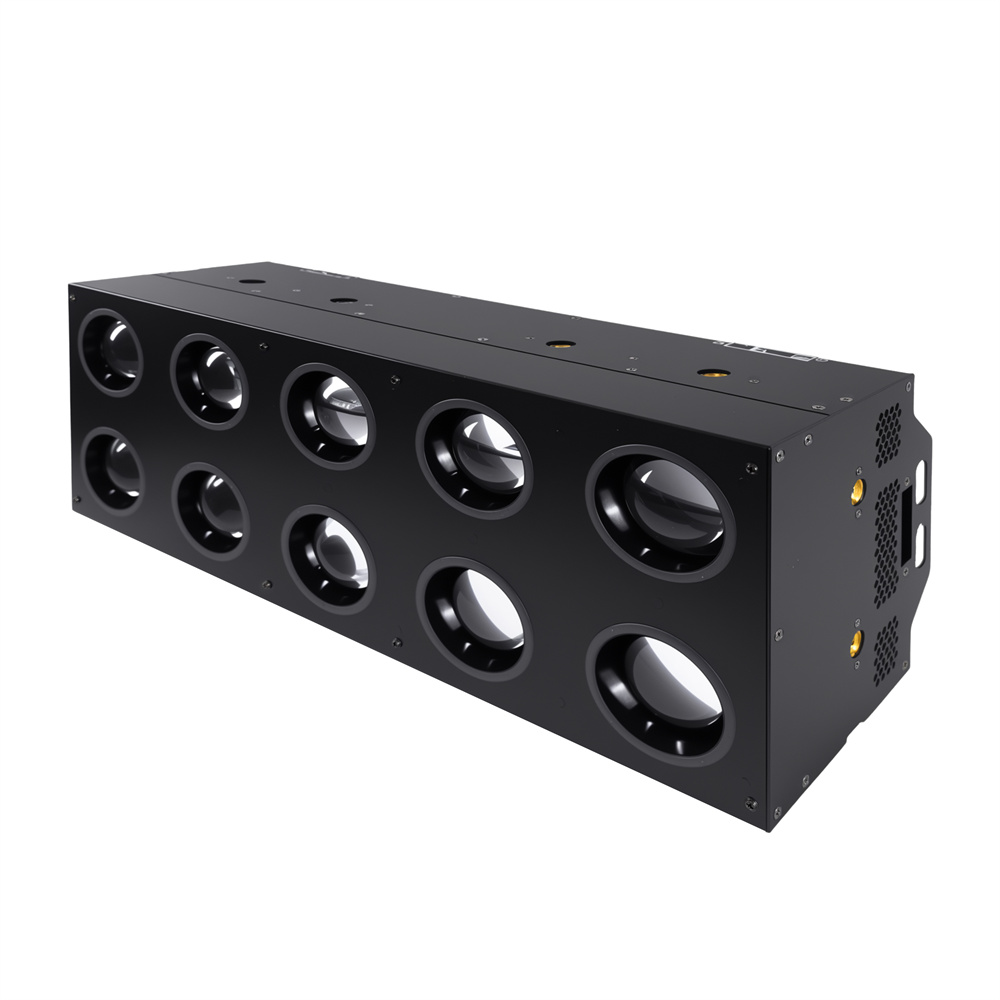 BL-1080 10-Head Professional Audience Light | 800W High-Output Stage Blinder
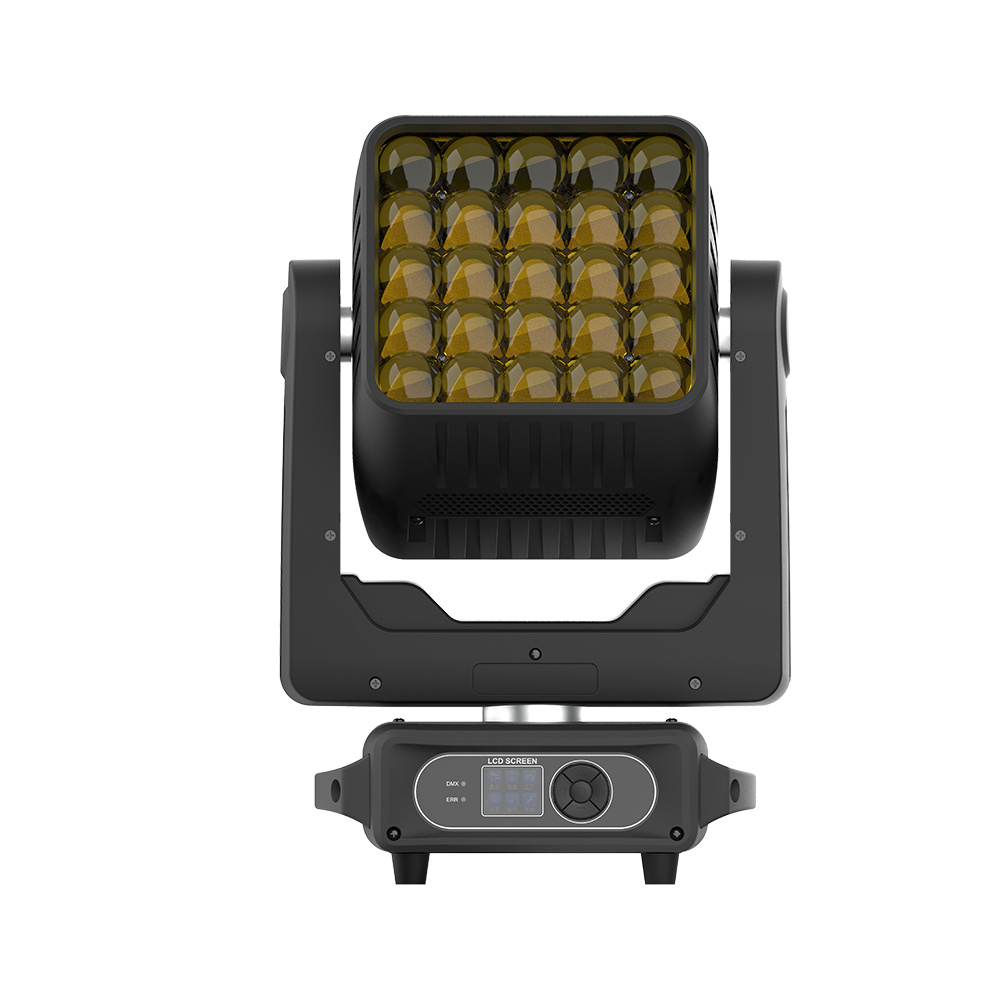 CM-T25 Professional 5x5 Dual-Oscillating Zoom Matrix | 500W Triple-Layer LED Engine
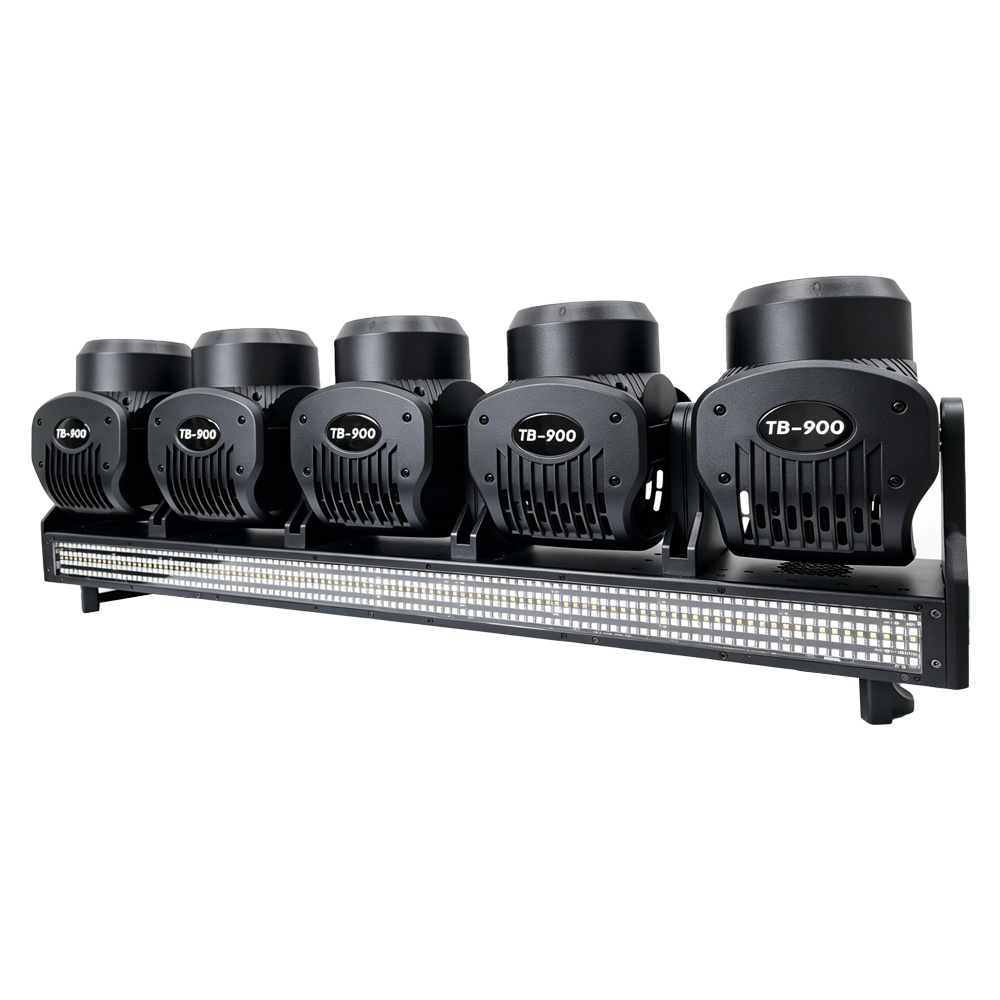 TB-900 5-Head 120W Strobe Tornado Light | Independent Swing Beam & RGB Lemon Yellow Effects
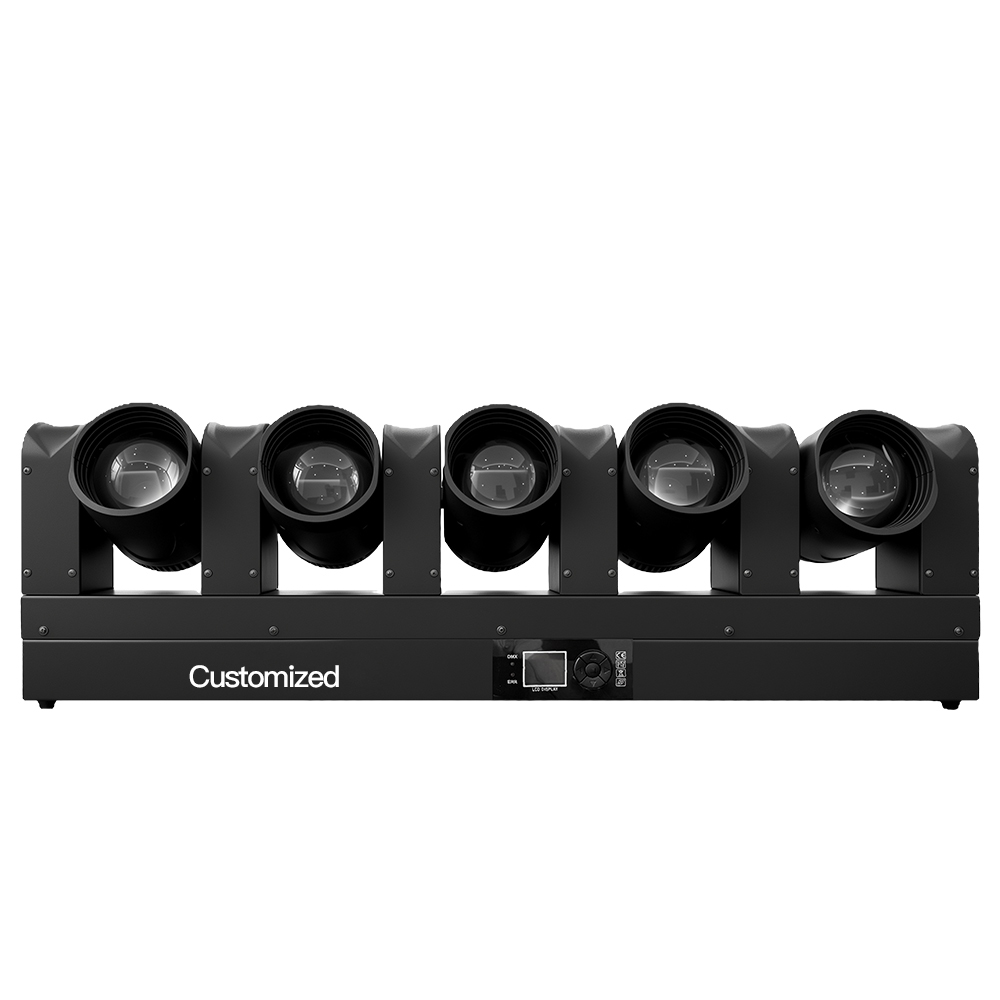 CB-5 BEAM 5-Head Moving Beam Bar | 400W High-Intensity Array with Auxiliary Effects
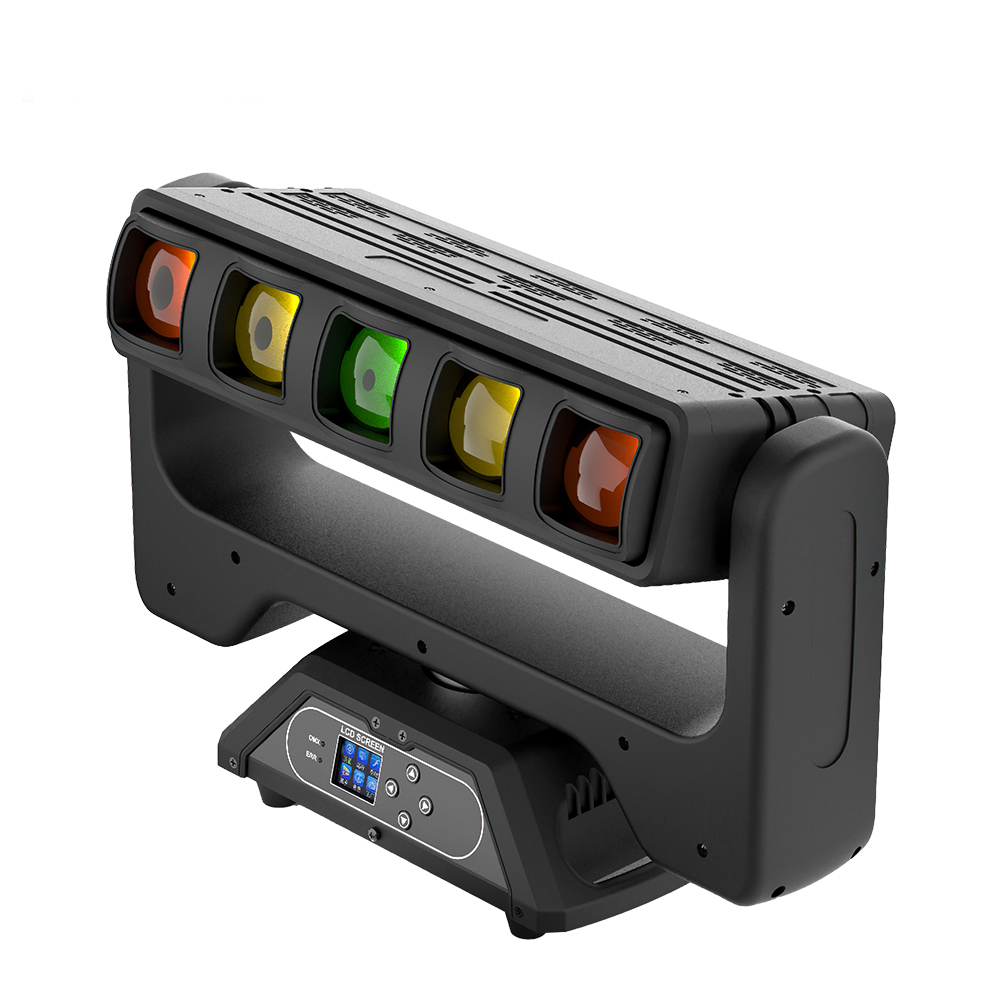 CM-5560 Professional Infinite-Rotation Moving Bar
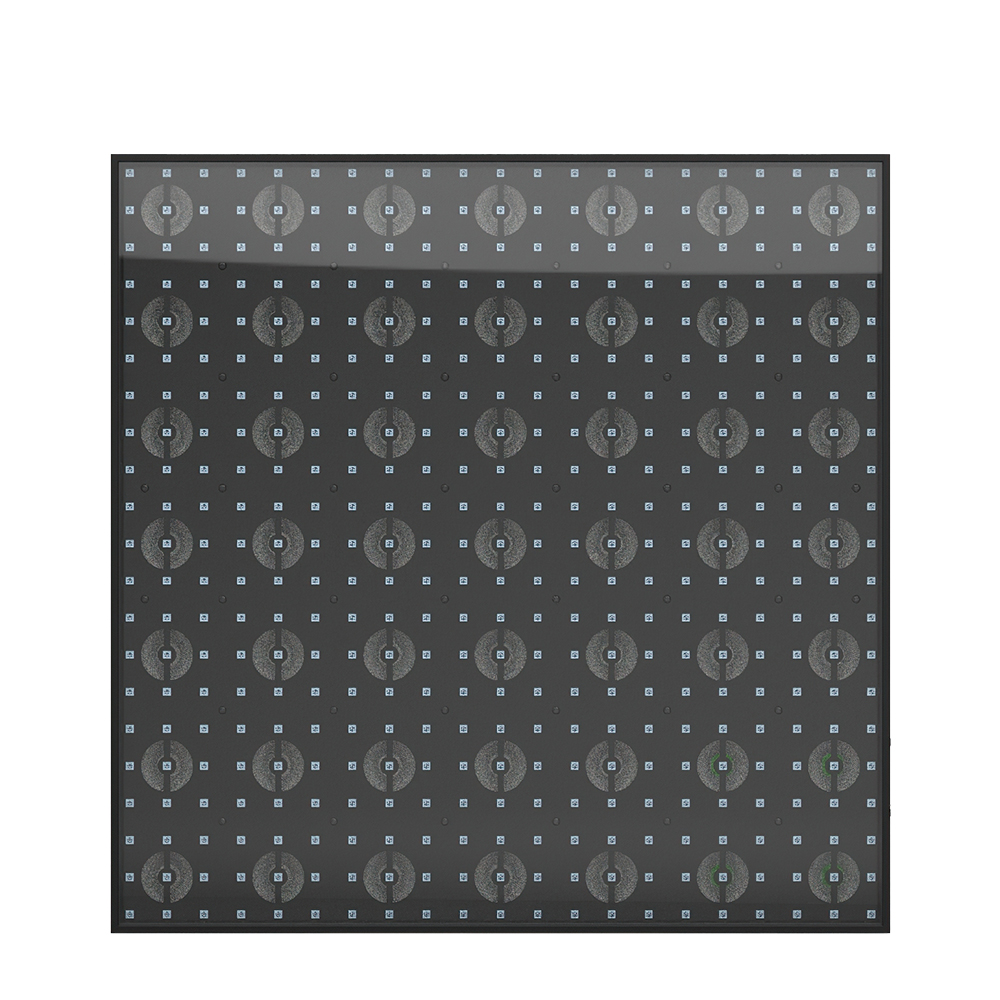 E-49MTX 49-Point Professional LED Pixel Matrix
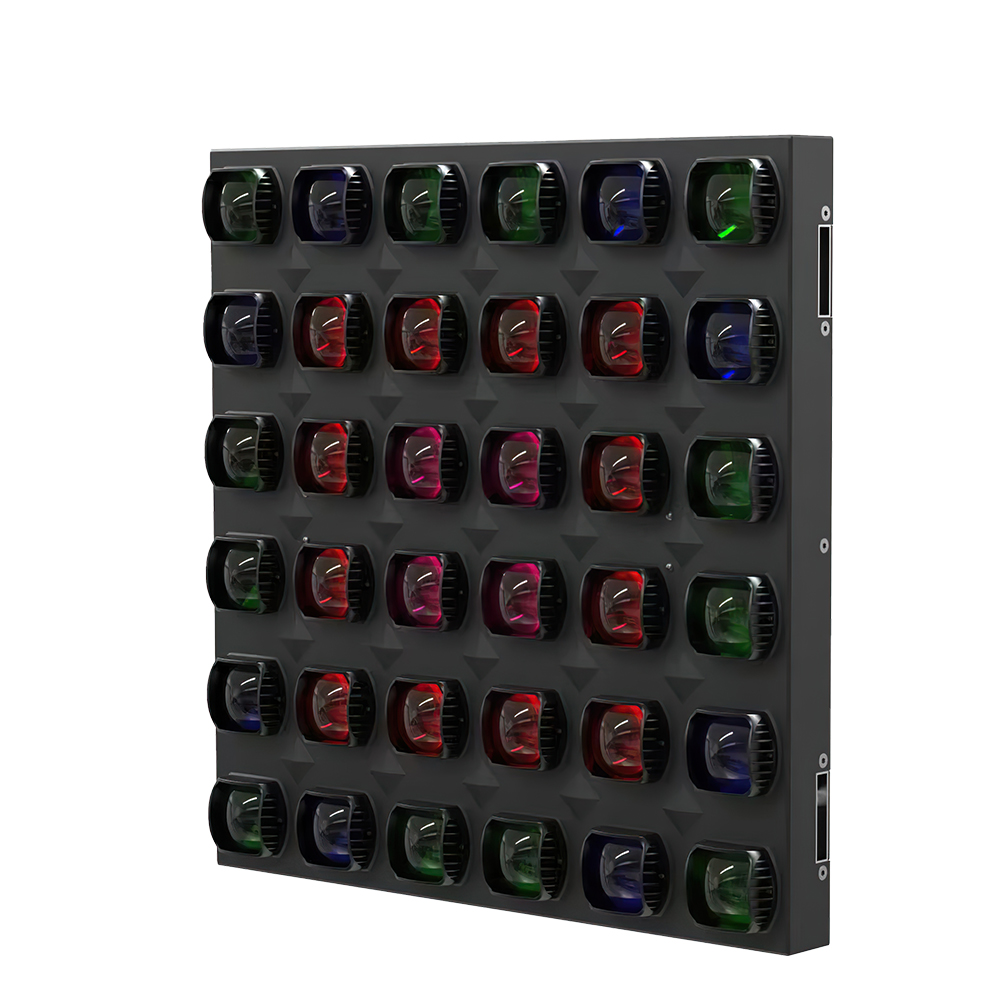 E-3612MTX RGB 36-Head Professional LED Matrix
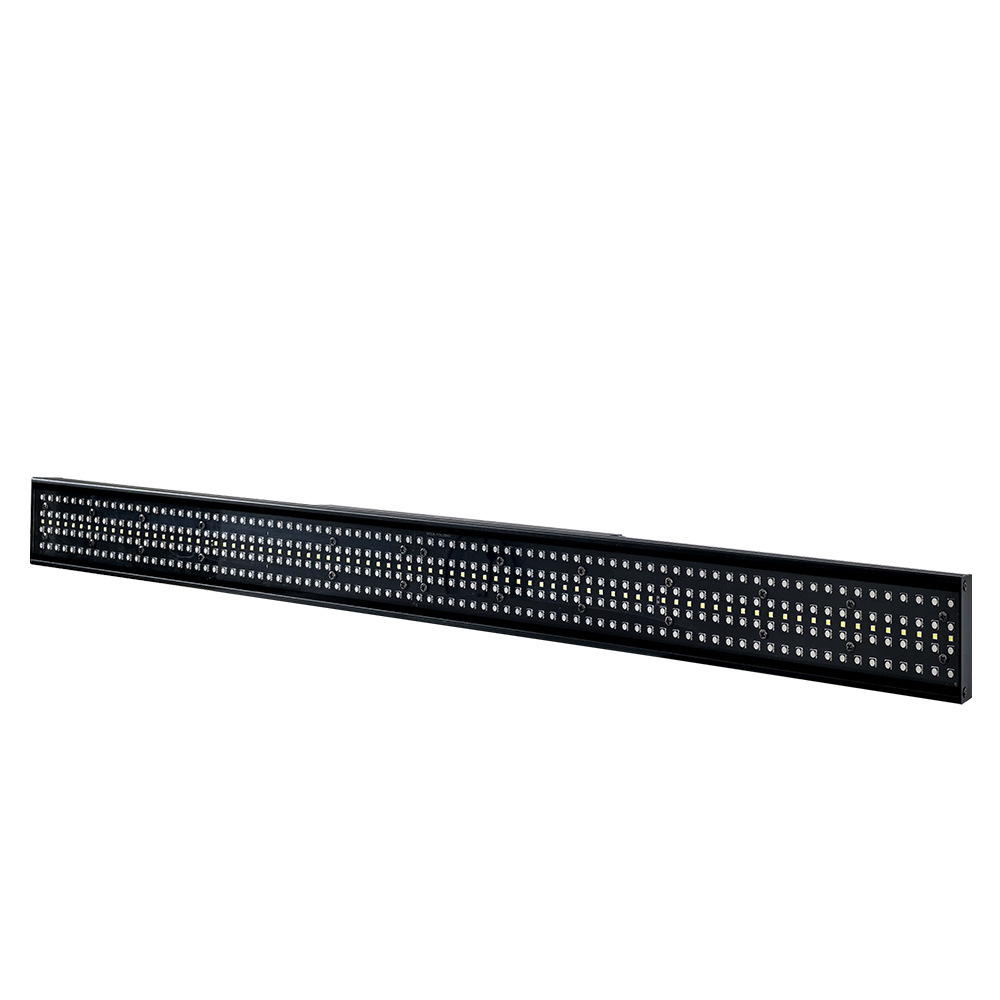 ST-300 Professional RGB+CW LED Strip Strobe | 150W Linear Chasing Light with RDM & Pixel Mapping
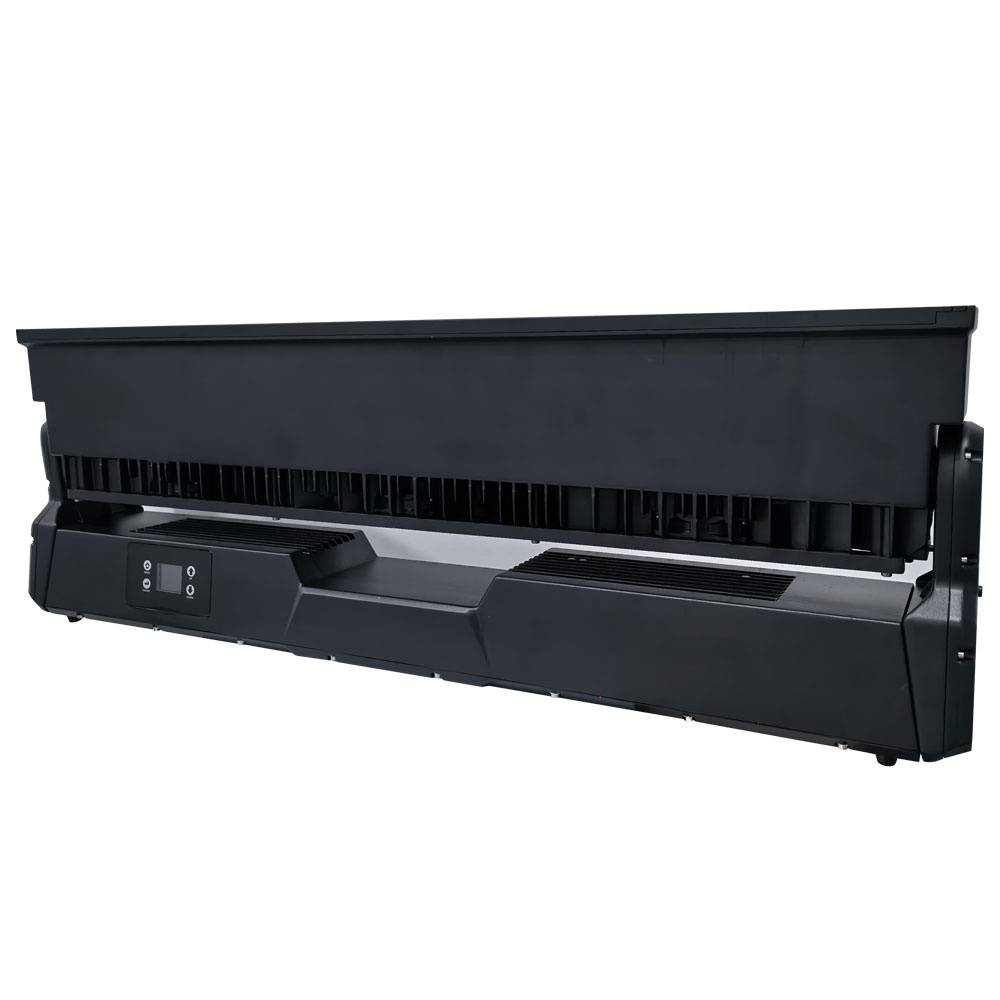 TB-1060 IP 800W Professional Hybrid LED Bar | 10x60W RGBW Main Engine + Tri-Layer Strobe Array
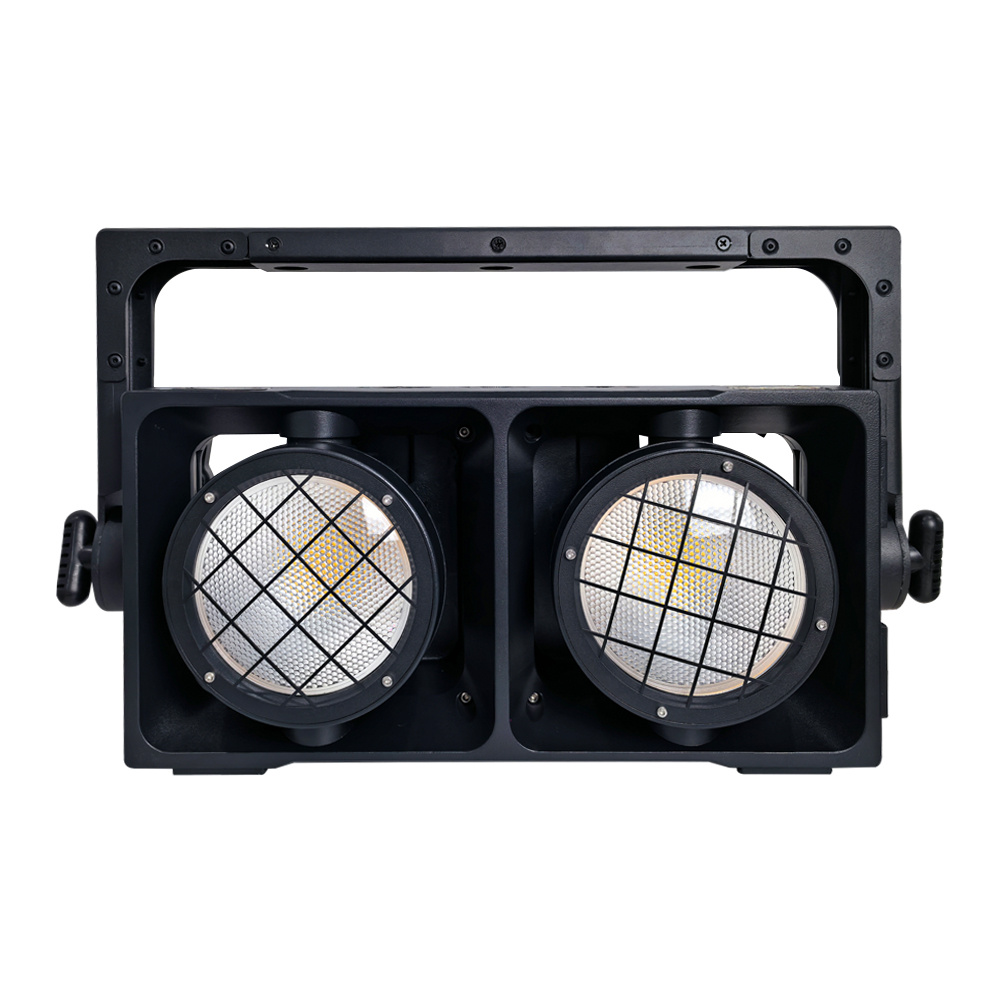 BL-2WAIP Professional 2-Lens COB Audience Light | 400W Dual-Color Tunable White
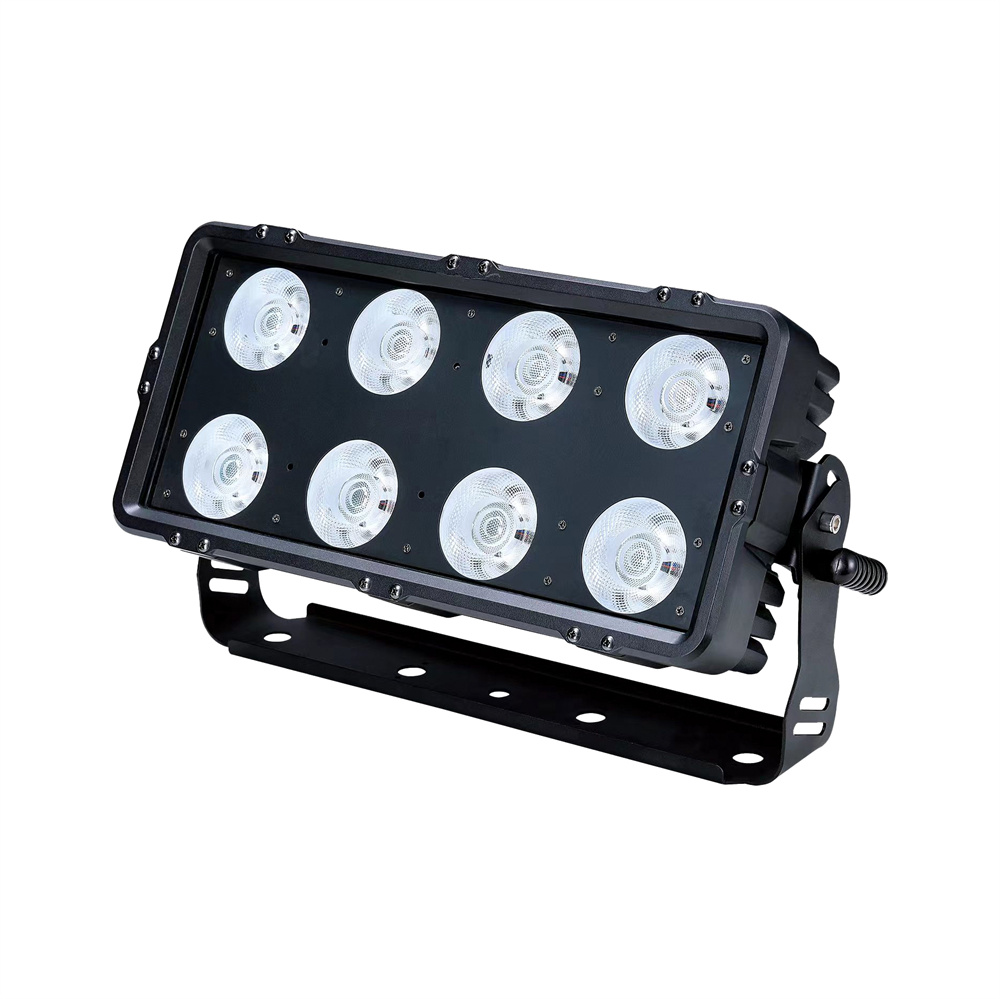 BL-5080IP Professional 8-Lens Stage Floodlight | 400W High-Precision Quad-Color Array
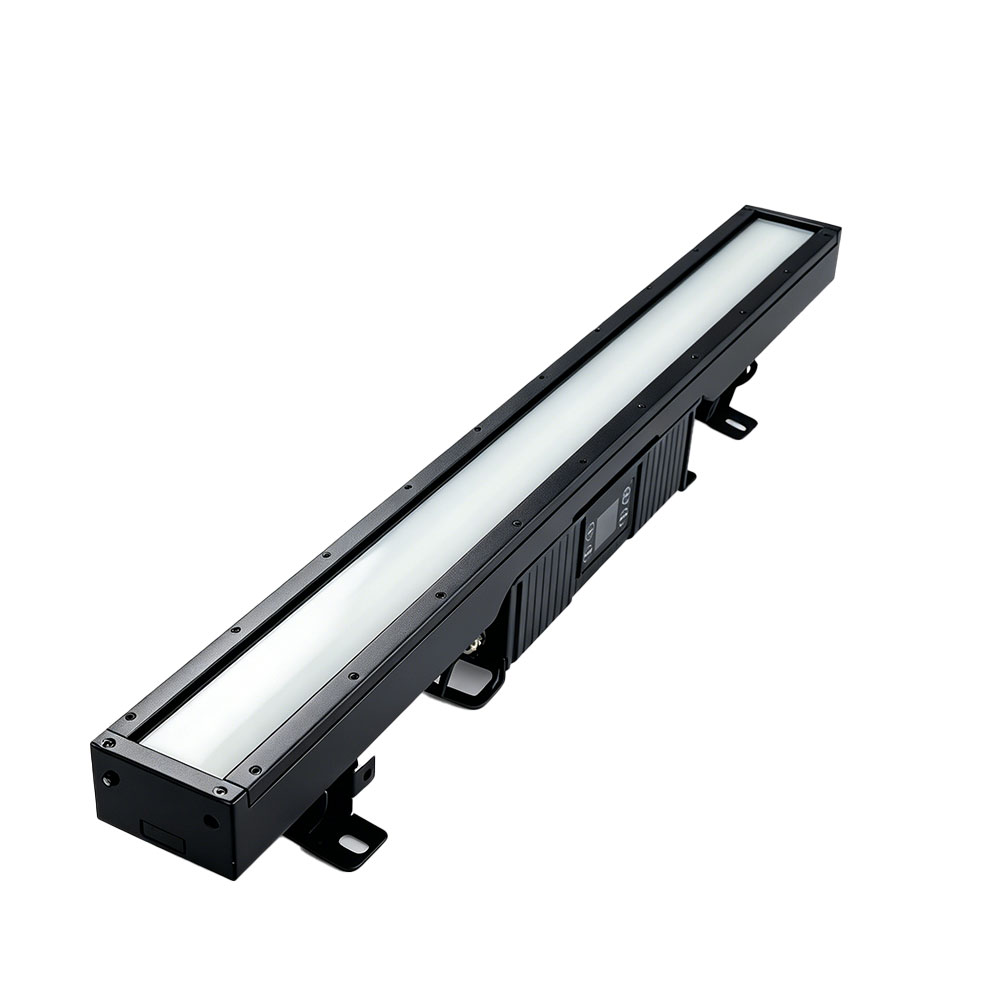 ST-300 II Professional Waterproof LED Strobe Bar
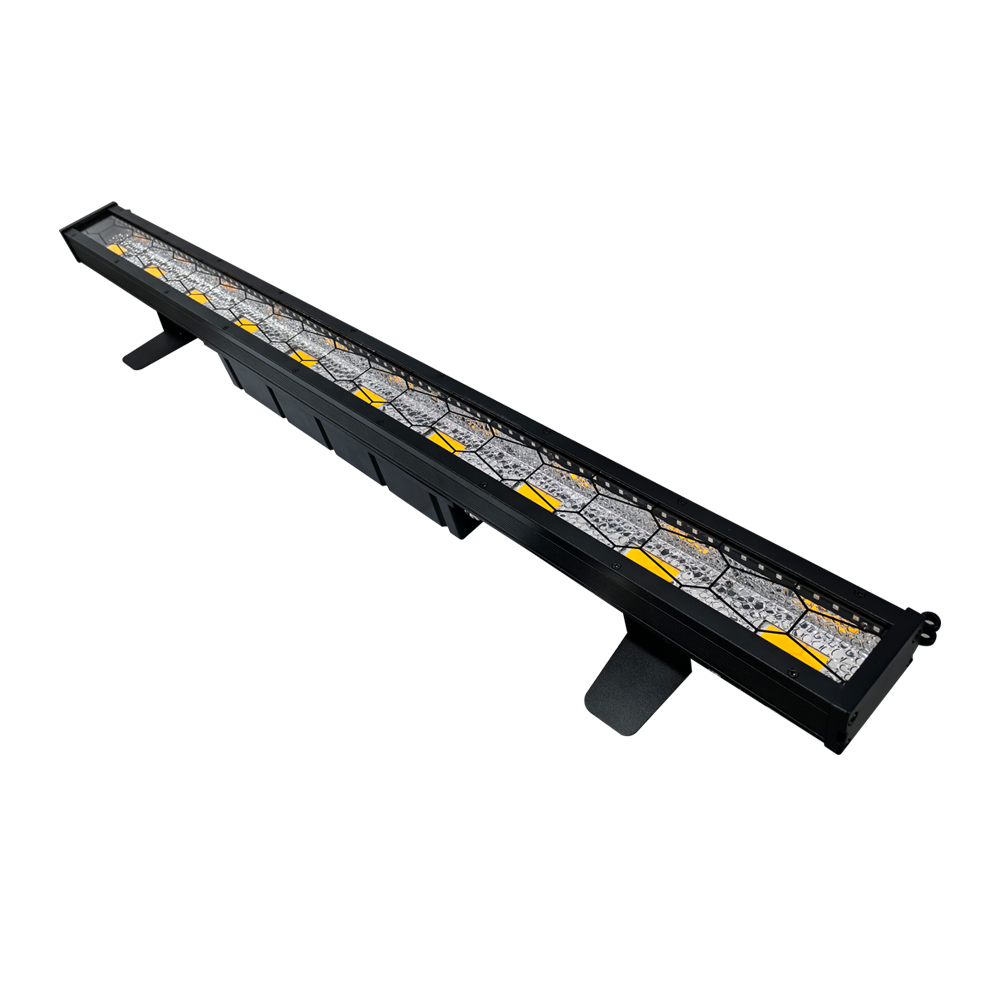 BL-10 10-Lens Waterproof Retro Stage Bar
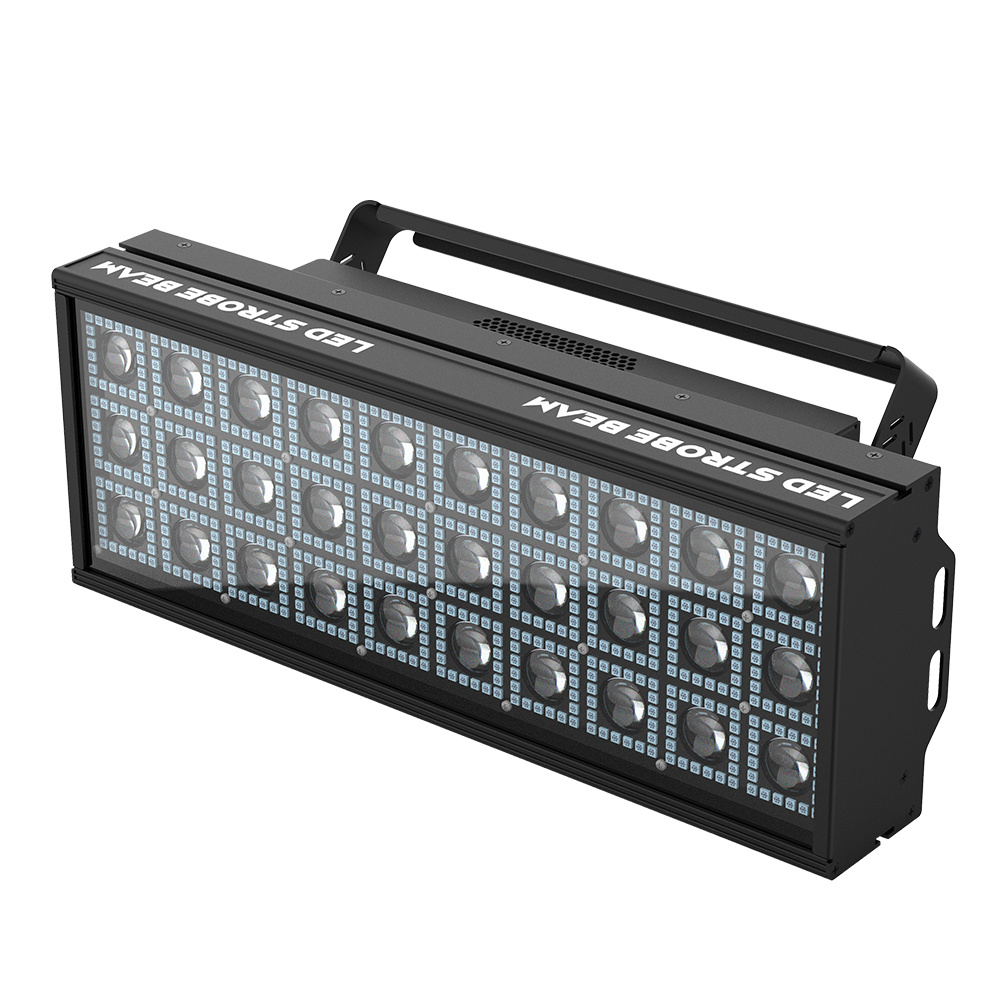 ST-500 "Strobe 5" Professional Hybrid Blinder & Wash Panel | 400W Dual-Layer LED Engine
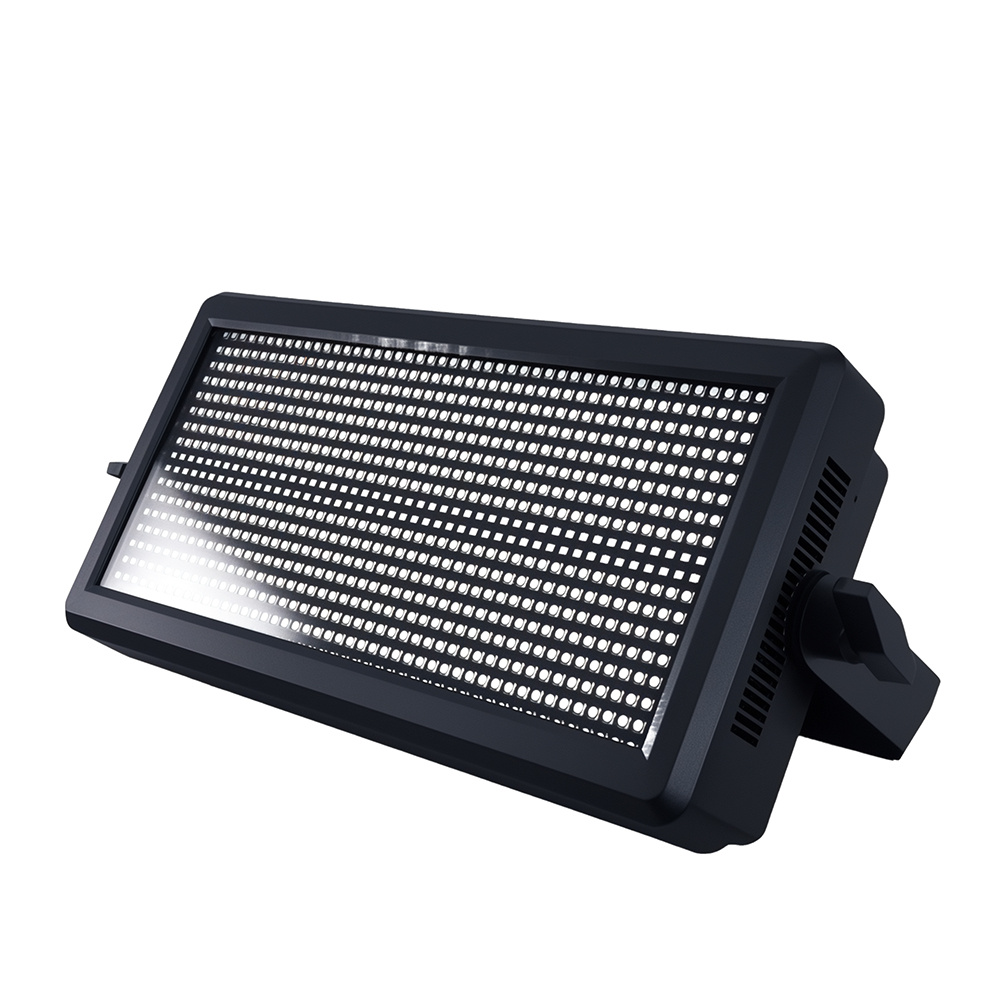 ST-100 200W Professional RGB+White LED Strobe | 8+8 Segment Pixel Chasing & Wash Light
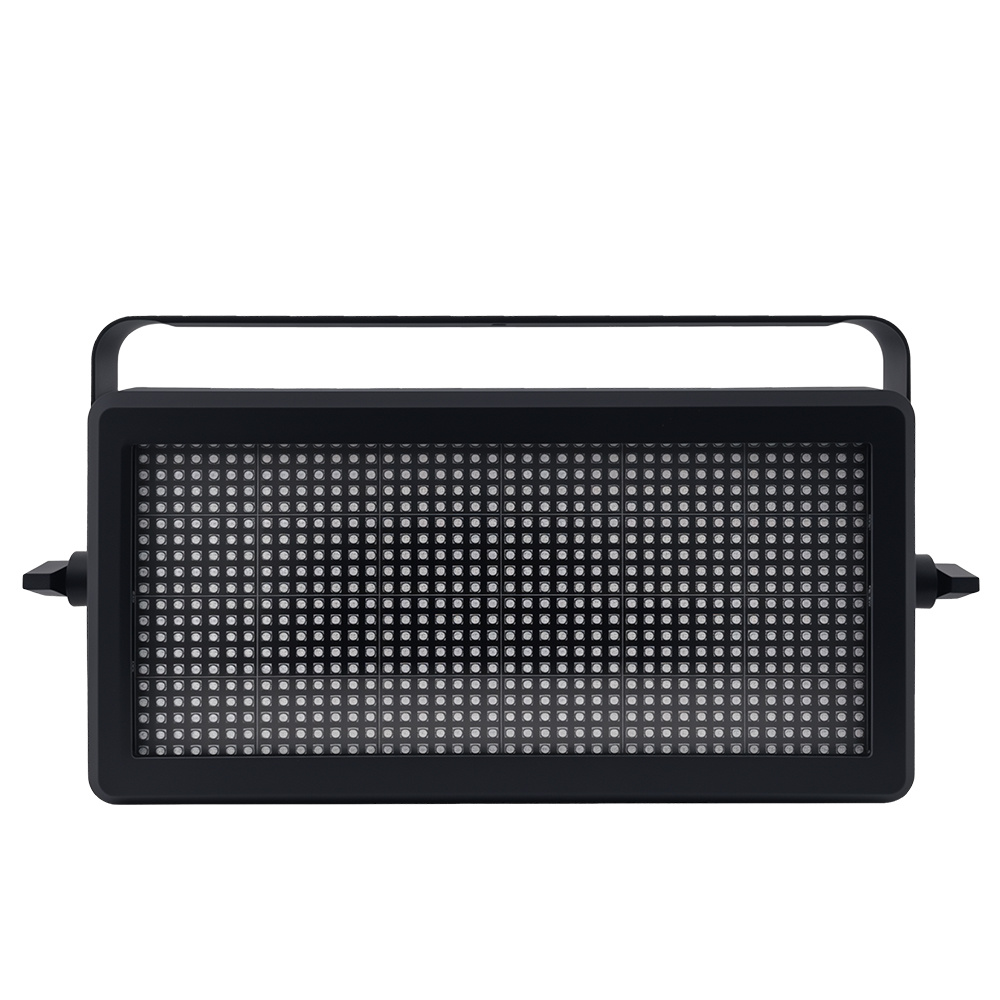 ST-200 I 24-Segment Full-Color LED Strobe | 840 RGB Pixel Engine & RDM Control
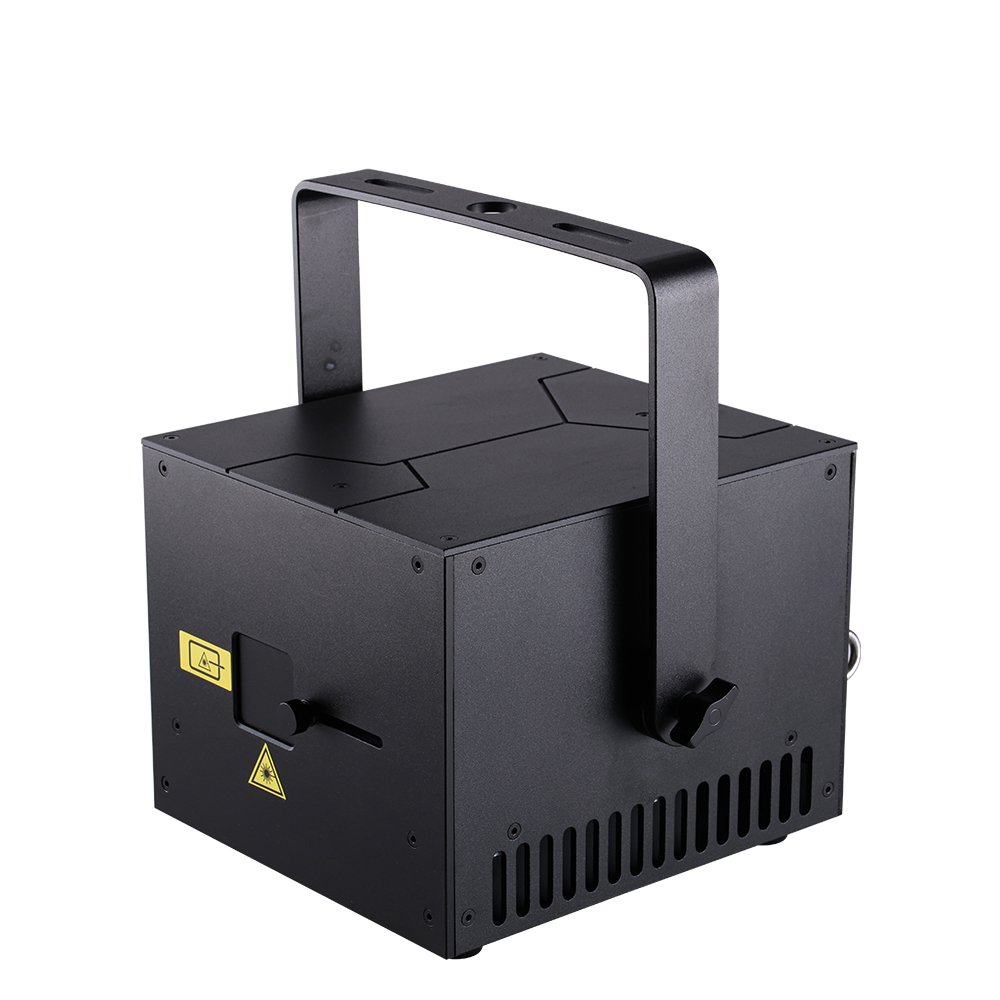 AN-1010RGB TD Professional 10W Full-Color Laser Projector | 35Kpps High-Speed Scanner
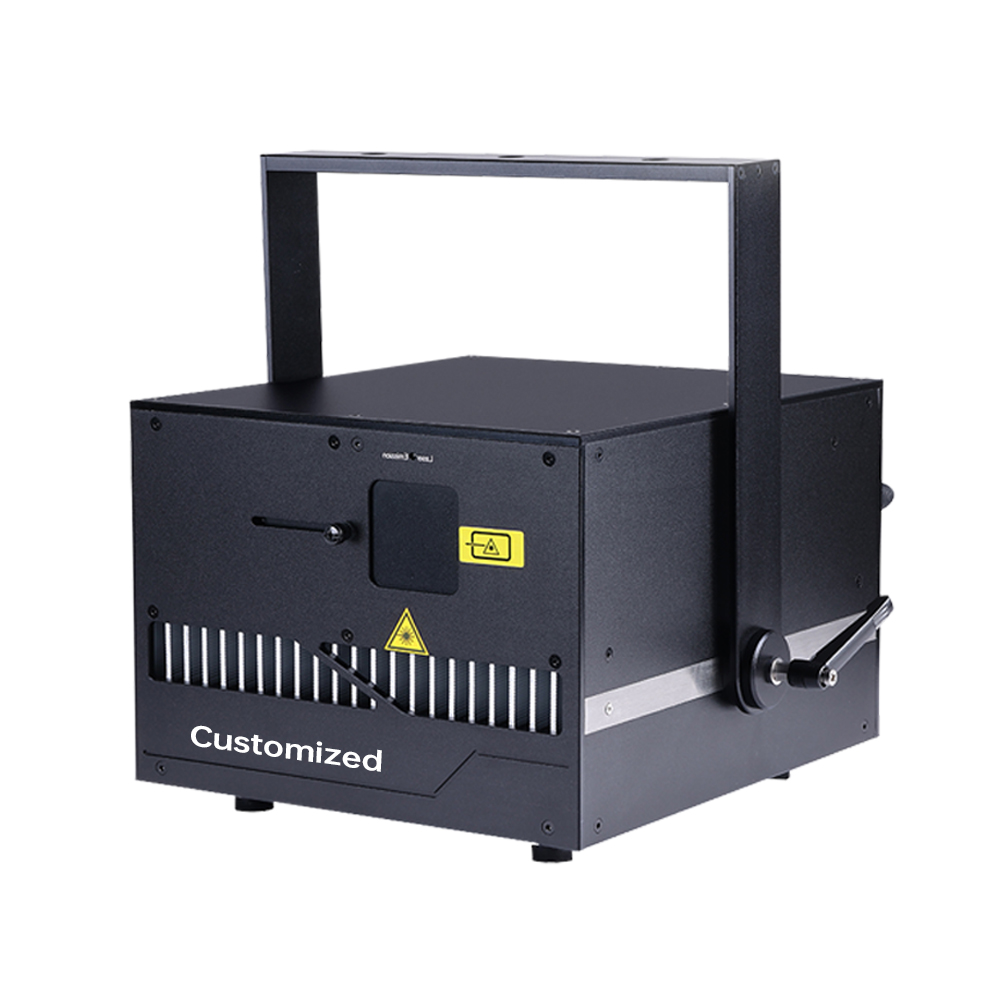 LS 1010RGB TSD Professional 10W Full-Color Laser Projector | 40Kpps Ultra-High Speed Scanner
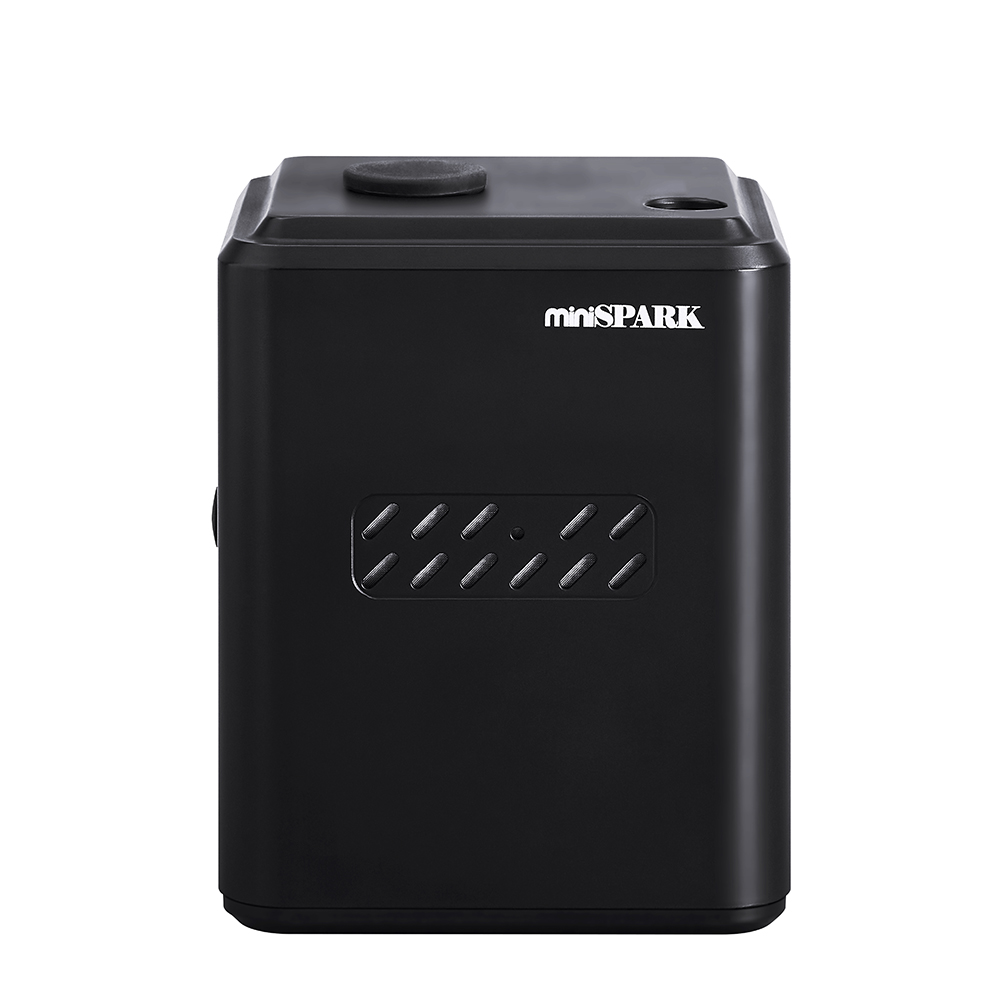 SK-100 "Mini Spark Machine" Compact Stage Effects Unit | 350W Rapid Pre-Heating Engine
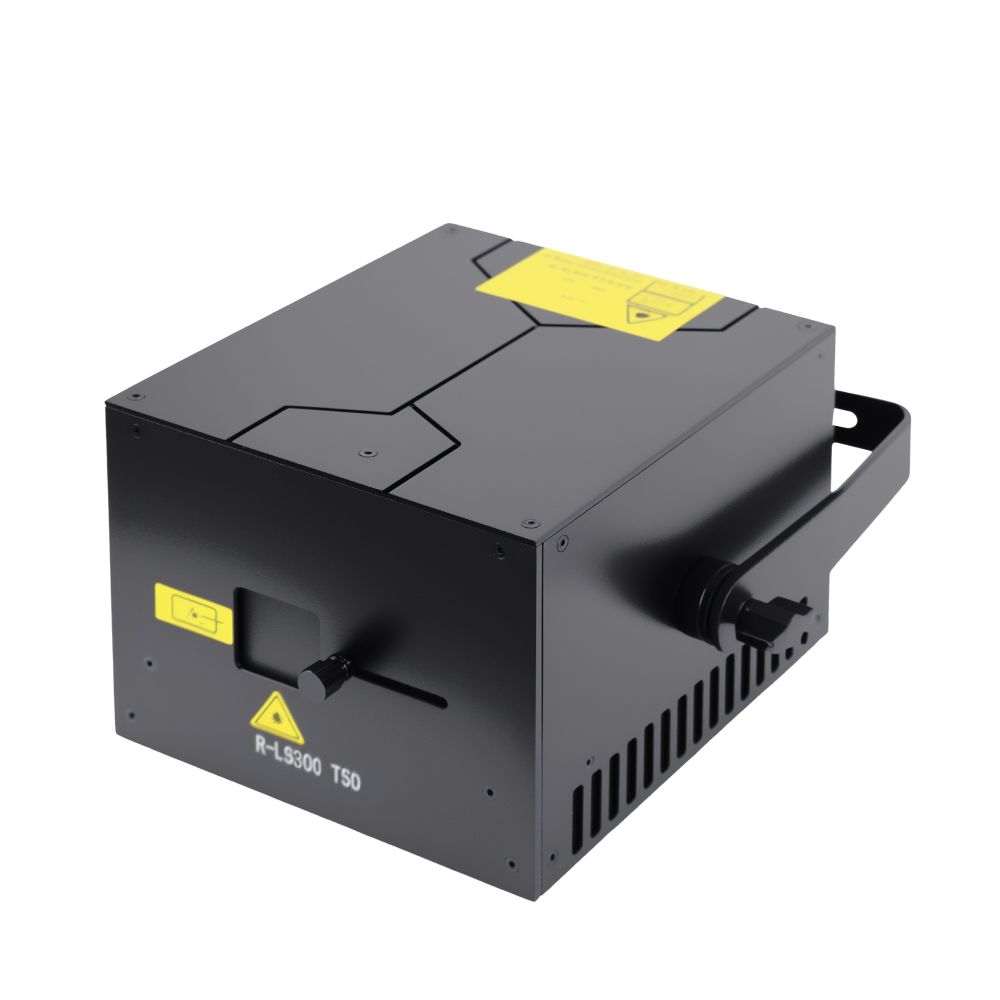 R-LS300 TSD "Mini Laser" Professional Stage Animation Projector | 3.1W RGB Pure Diode Engine
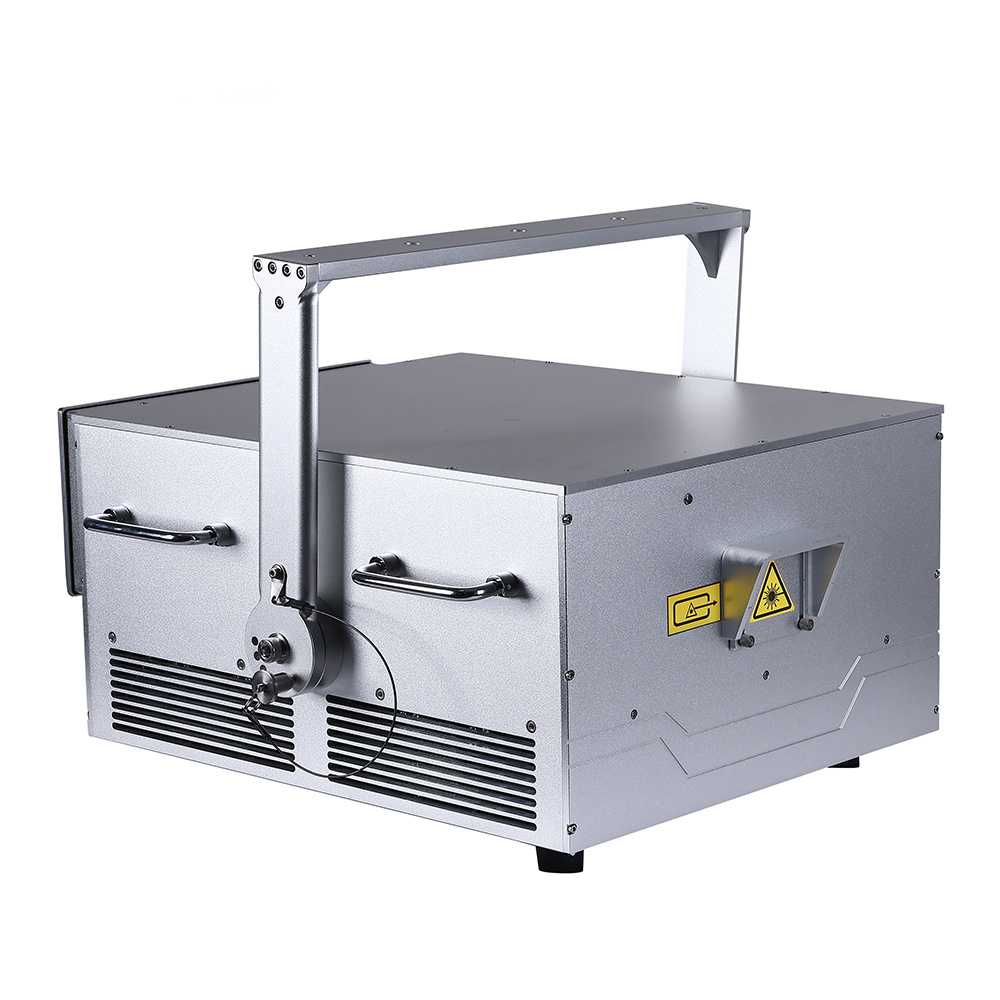 LS 2020RGB TSDIP Professional 20W Full-Color Laser Show System | IP65 All-Weather Rated
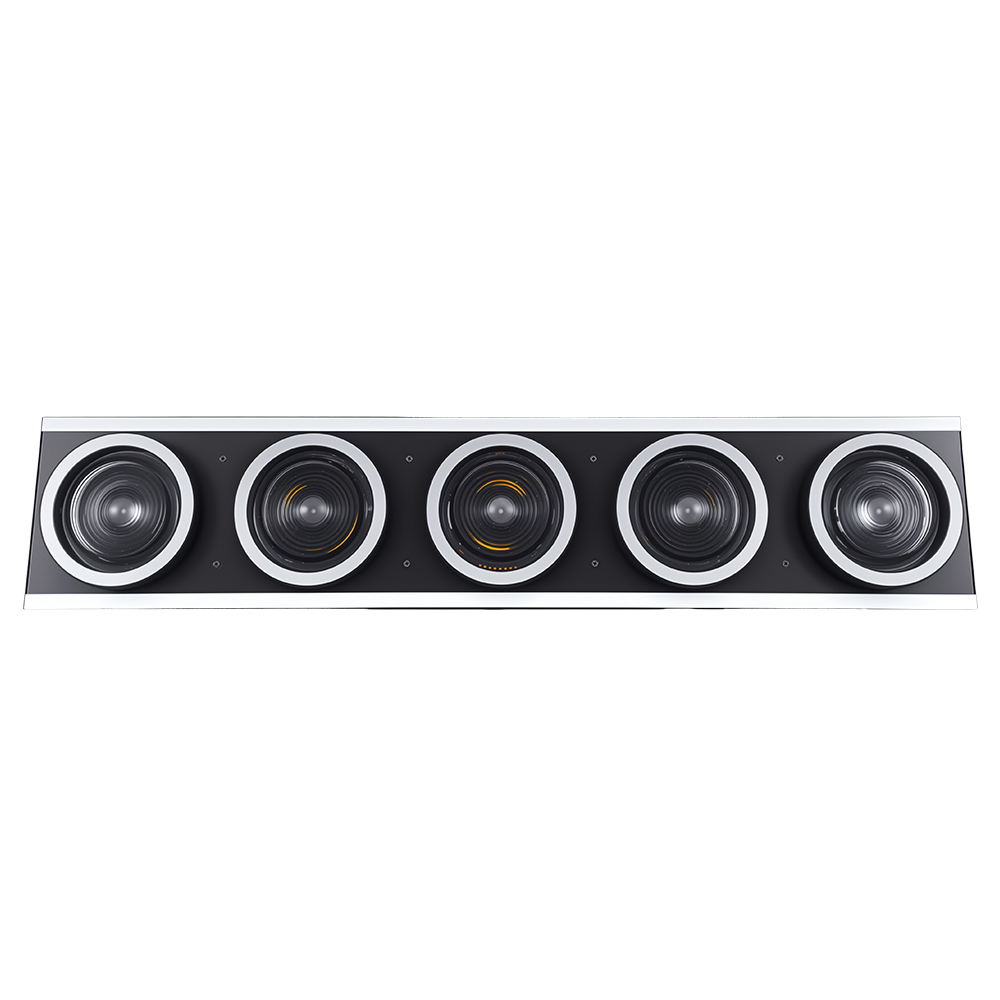 BL-5150 "Golden Flash" 5-Lens Linear Matrix | 750W High-Intensity Beam Array
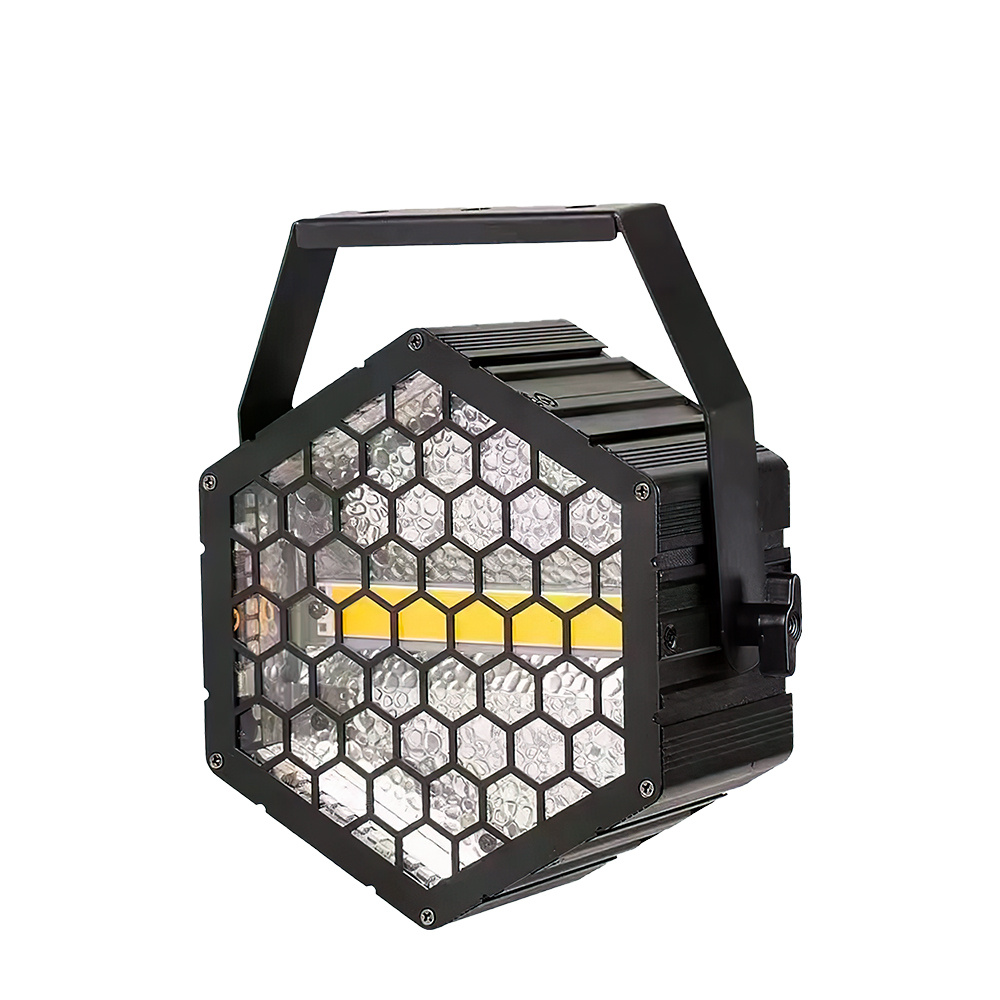 TT-60W RGB Professional Retro Stage Light | 60W Single-Head Design
 OG-4 "ClearVapor" Professional Eco-Friendly Column Haze Fluid
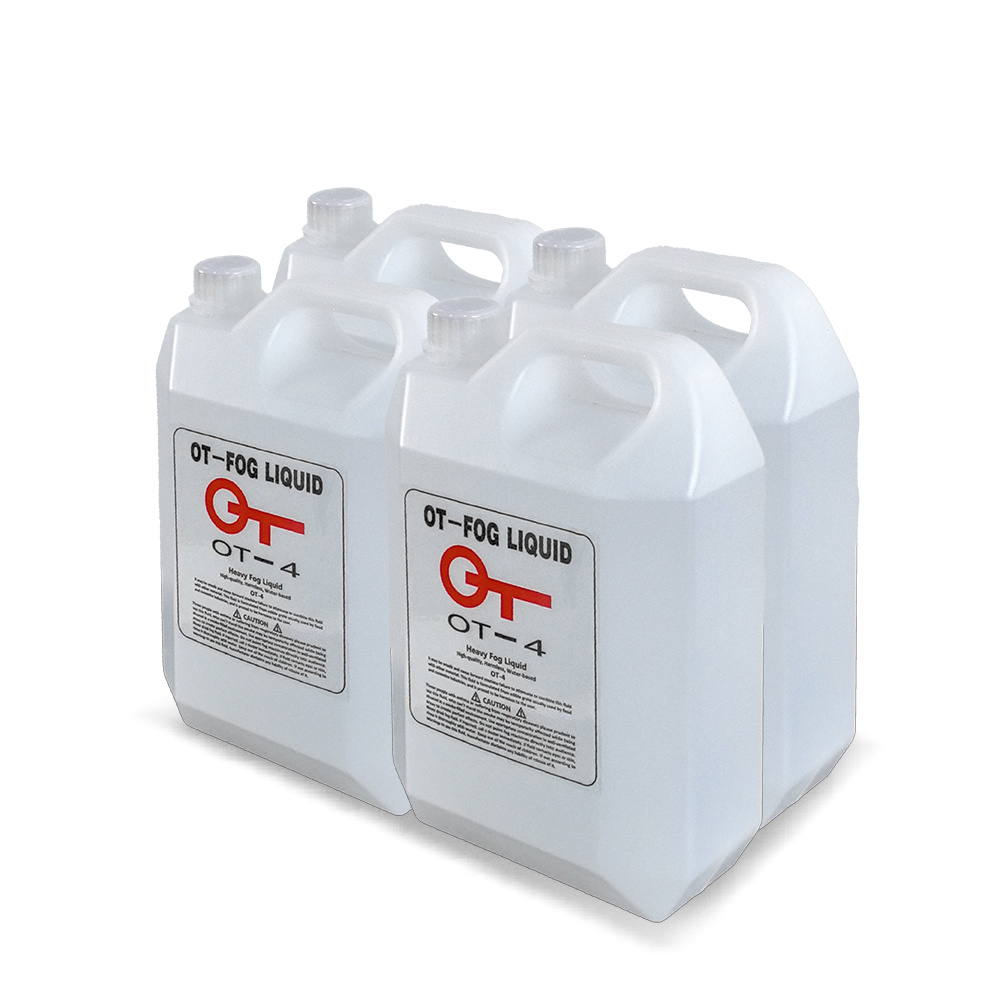 OT-4 "SuspendPro" Professional Long-Lasting Haze Fluid | Rapid Atomization
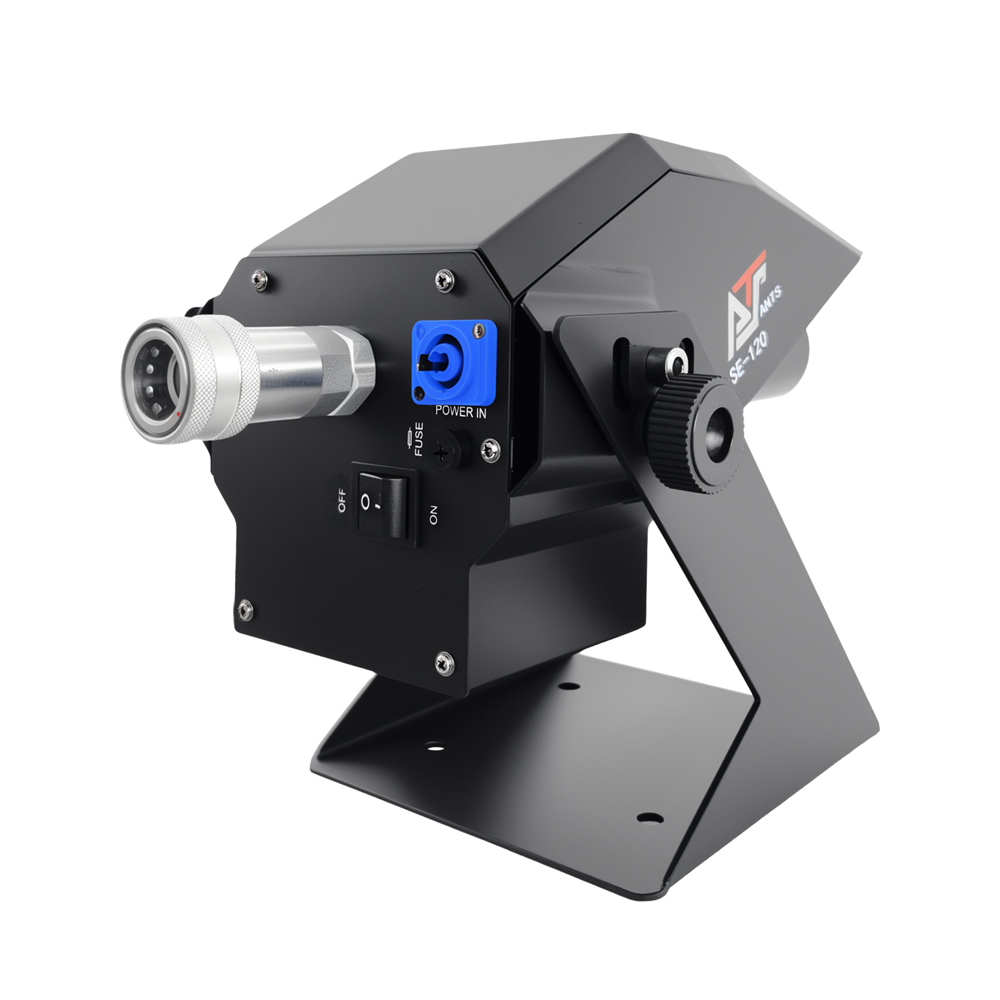 SE-120 "Single-Head CO2 Jet" Professional Stage Special Effects Cannon
 +86 135 8055 9992


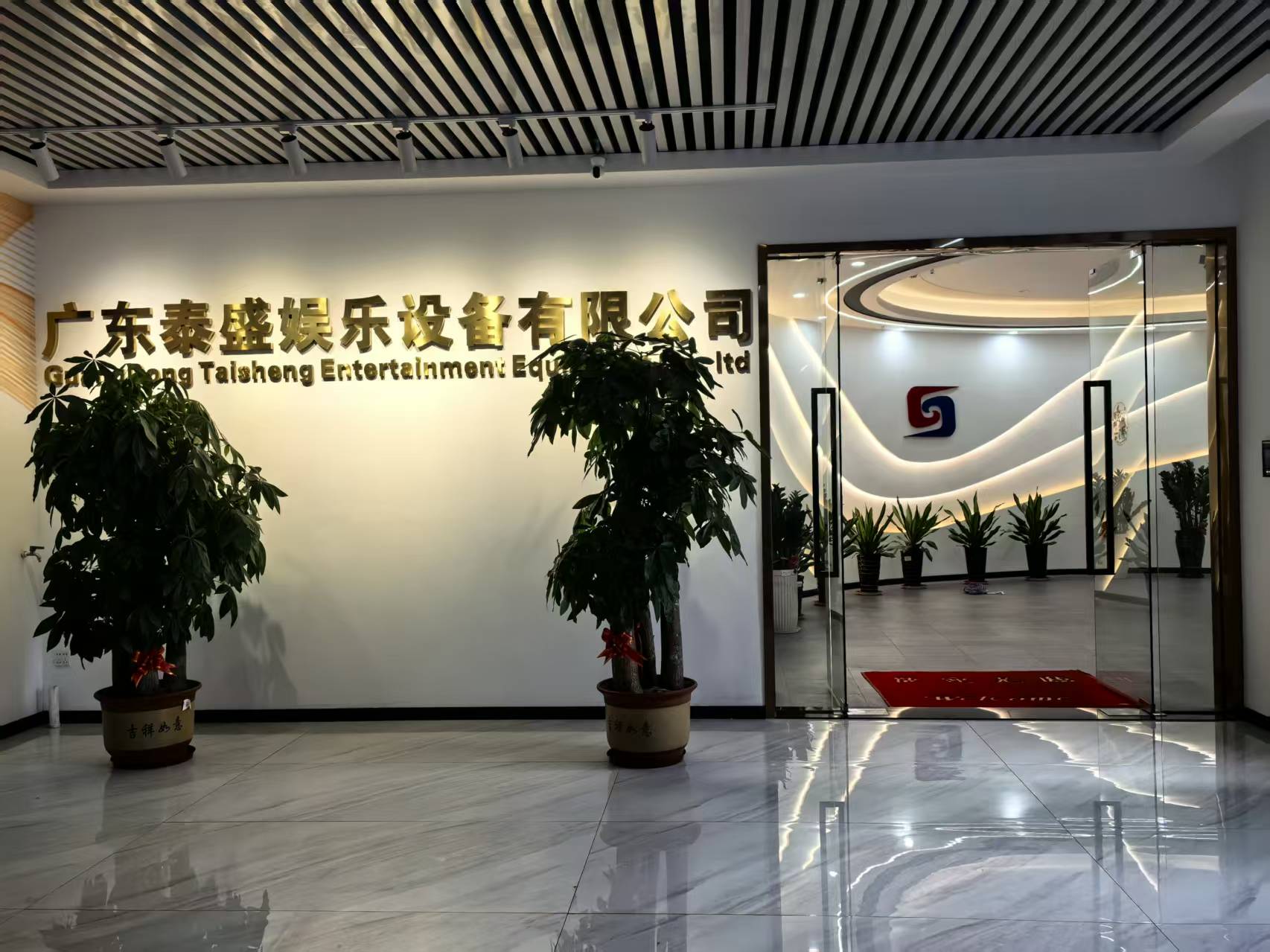
The Anatomy of Professional Stage Lighting Excellence: How TaiSheng Delivers Turnkey Solutions for Global Entertainment Venues
2026-08-20
The Functional Layering of a Professional Rig
Industry-standard stage lighting is best understood as a three-tier architecture. Each layer serves a distinct optical mandate.
01
Tier One: Beam Fixtures — The Structural Skeleton
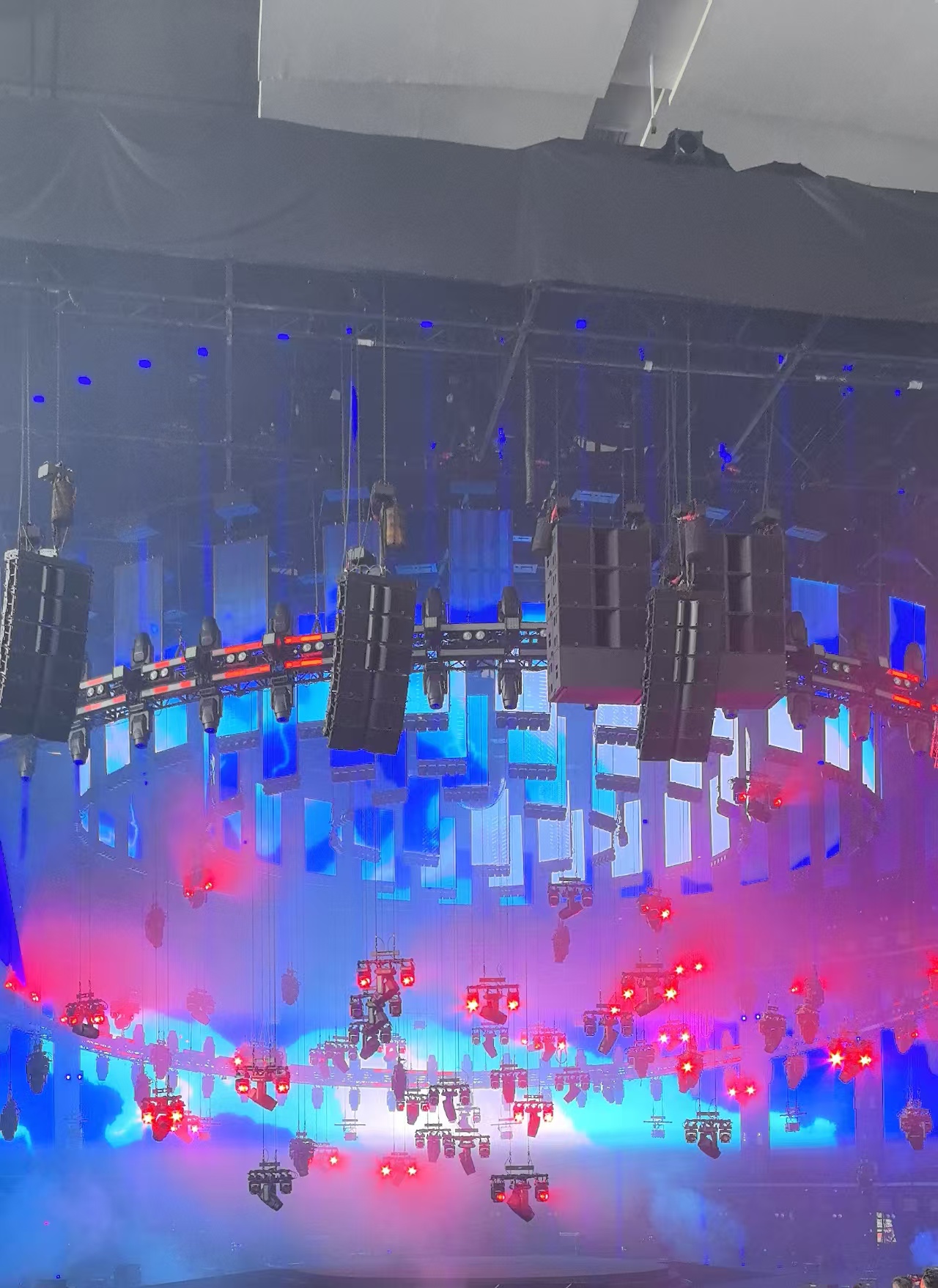
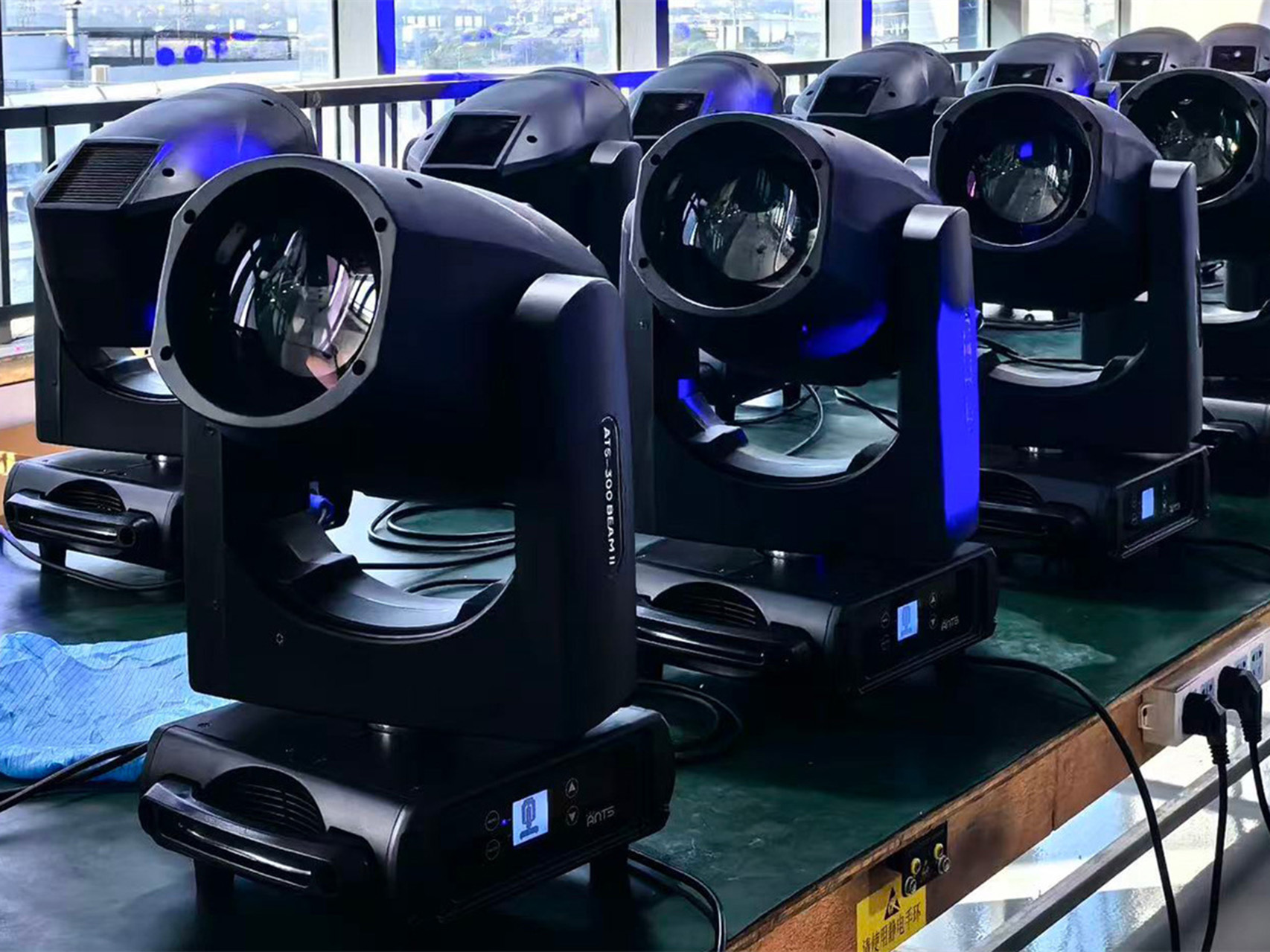
Beam moving heads exist to define space, not to illuminate surfaces. With narrow optical paths and multi-prism rotation, they project sharp shafts through atmosphere, creating the three-dimensional depth audiences associate with high-impact concerts. In venues using haze or fog, beams are what make the air feel "architectural."
TaiSheng Reference:
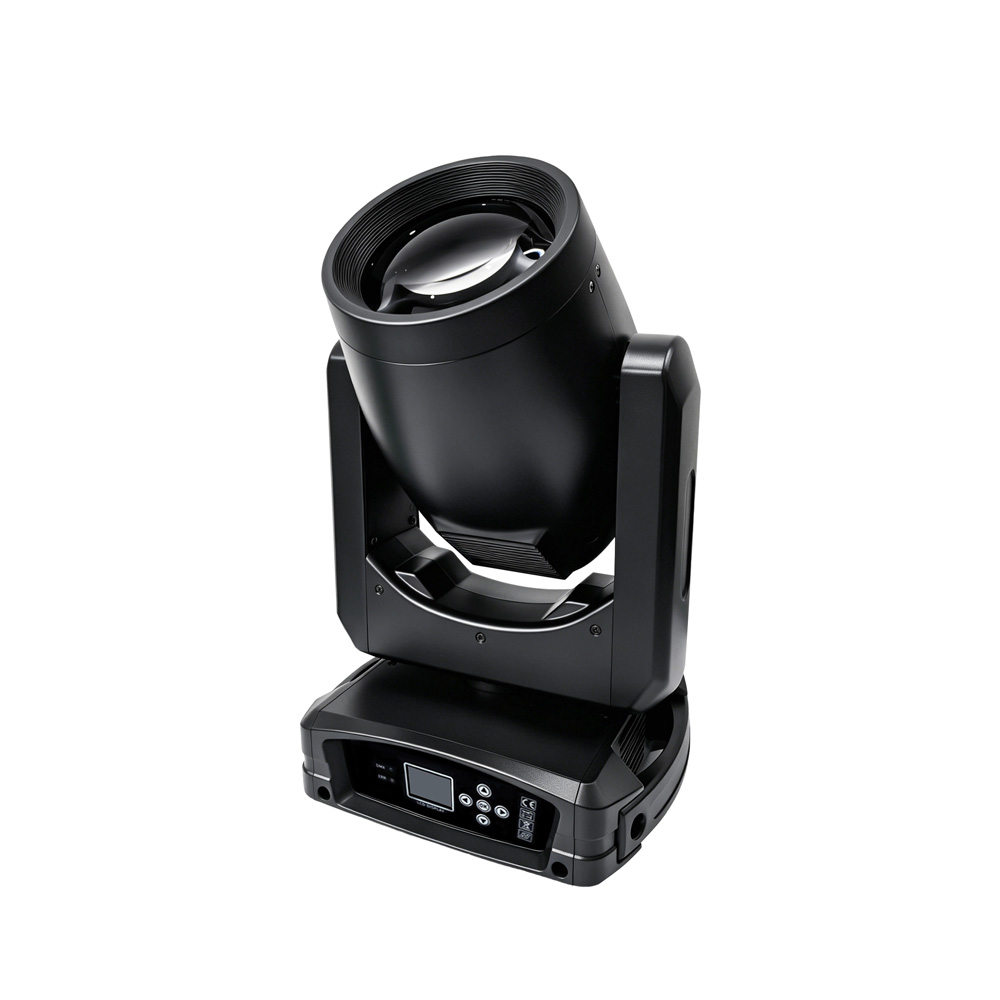
The ATS-380 / LTS-300 Beam series are engineered around high-efficiency optical trains with independently rotating dual prisms and motorized focus. Unlike generic narrow-beam units that produce a flat shaft, our optical alignment maintains a clean field edge from center to periphery—critical for venues projecting brand logos or geometric aerial patterns.
02
Tier Two: Wash Fixtures — The Atmospheric Foundation
Where beams cut, washes fill. Wash lights deliver even, soft-edged coverage across backdrops, cycloramas, and performer zones. Modern professional wash units have evolved from fixed PAR cans into intelligent, zoomable instruments with pixel-level cell control.
TaiSheng Reference:
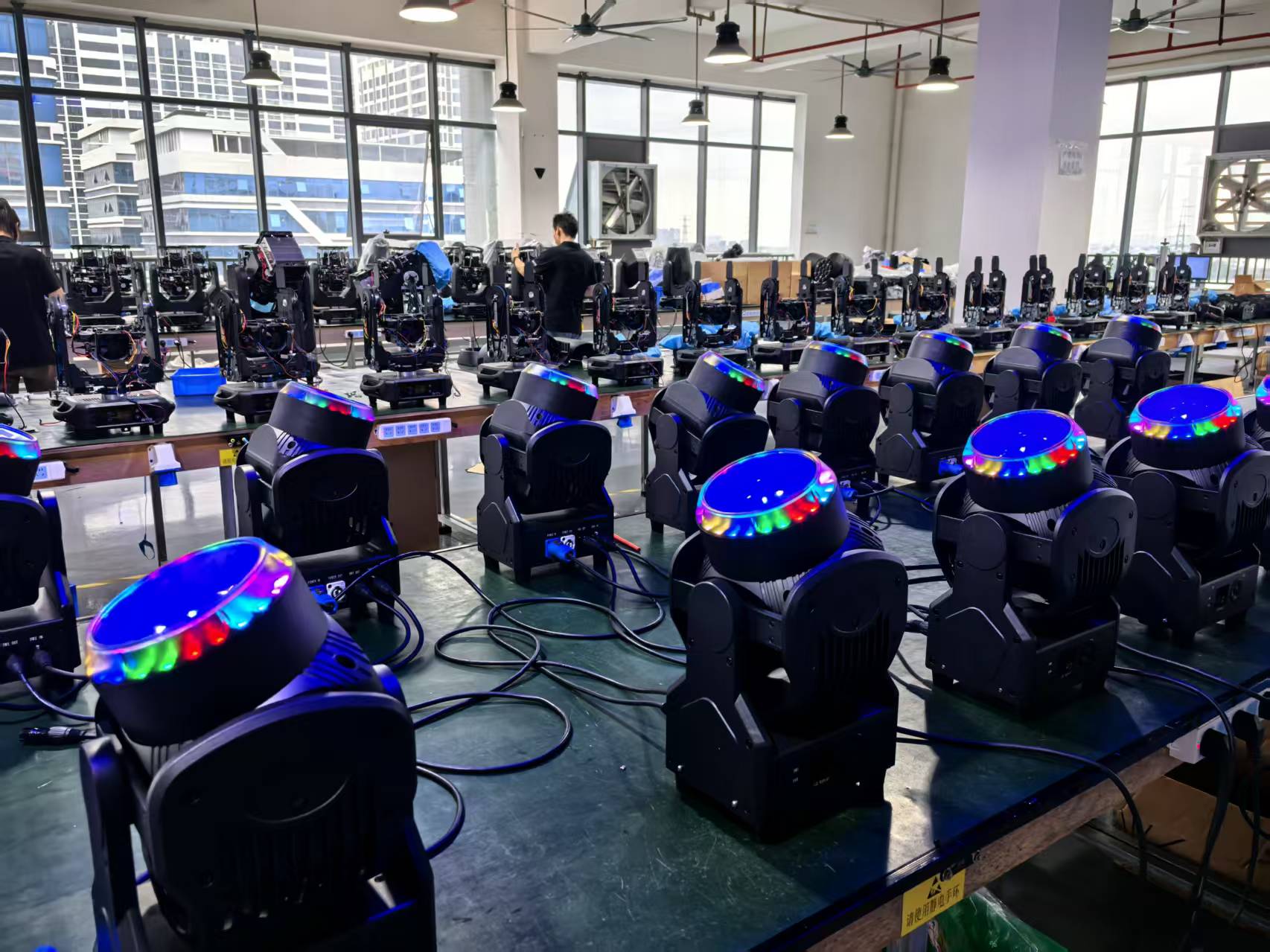
The FY-Series Bee Eye fixtures (7×40W and 19×40W configurations) illustrate this shift. With wide-to-tight zoom transitions and independent RGBW cell control, a single unit moves between a smooth stage wash and a pixel-mapped visual surface—effectively functioning as both general illumination and low-resolution video content layer.
03
Tier Three: Hybrid Profiles — Precision for Mixed-Use Venues
Multi-purpose venues (Live Houses, banquet halls, corporate theaters) cannot afford single-role inventories. The industry standard has shifted toward BSWF fixtures—Beam, Spot, Wash, and Framing in one head—capable of CMY color mixing, gobo projection, and mechanical shutter framing.
TaiSheng Reference:
The LTS-800W BSWF integrates linear CMY mixing with a full four-blade framing system and high-CRI white engine. For venues hosting both live bands and broadcast presentations, this single fixture replaces three dedicated instruments, reducing truss weight and simplifying DMX channel management.
Beyond Illumination: Effects, Lasers, and Environmental Systems
A complete rig extends past the three core tiers into sensory and environmental tools that define the final production quality.
Matrix Strobe & Linear Bars: Segmented strobe bars (our ST-300 / TB-1040 series) are no longer just high-intensity blinders. With individual zone control and integrated RGB cells, they double as pixel-run surfaces for stage-border programming.
Laser Systems: For large-format touring and outdoor spectacles, our 10W–20W full-color laser range with high-speed galvanometer scanning provides graphic projection and aerial netting that LED alone cannot replicate.
IP-Rated & Kinetic Fixtures: Outdoor festivals demand sealed optics. TaiSheng’s Kinetic lifting beam rings are purpose-built for vertical elevation in open-air conditions—combining sealed optical paths with motorized travel control.
Conclusion
Stage lighting categories are not marketing labels; they are functional boundaries that determine whether a rig looks professional or amateur. By aligning fixture typology to venue geometry—and sourcing from a manufacturer that controls optical calibration, thermal design, and protocol integration under one roof—procurement teams protect both their creative output and their capital investment.
TaiSheng’s vertical integration model, combined with our role as ACME’s exclusive authorized after-sales partner in the entertainment sector, ensures that every fixture category we produce—from a 2° beam head to a full CMY hybrid profile—is engineered to perform as part of a coherent system, not as an isolated unit.